What methods remove formaldehyde? My little trick is sure to come out on top
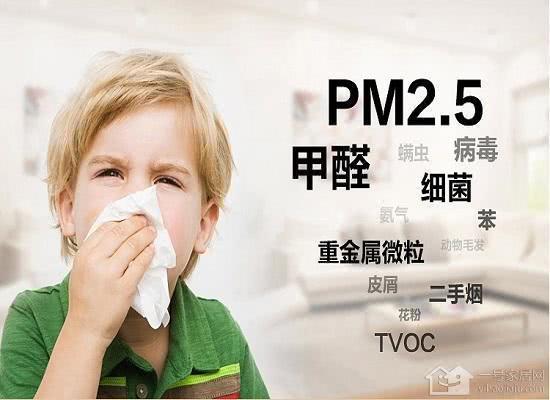
Formaldehyde (molecular formula:
(CH2O)), also called methanal, another name for formaldehyde, is the simplest aldehyde and is usually a flammable, colorless and irritating gas. As an important organic raw material, it is mainly used in the plastics industry, synthetic fibers, the leather industry, pharmaceuticals, dyes and so on, and is called the invisible killer in home life! High concentrations of formaldehyde are also harmful to the nervous system, immune system, liver and so on.
Long-term exposure to low levels of formaldehyde:
Damages the respiratory system: causing coughing, chest tightness, nasopharyngeal cancer, sinus cancer, lung cancer, asthma and bronchial lesions;
Damages the nervous system: causing dizziness, irritability, low intelligence in children and slow reactions;
Damages the hematopoietic system: causing leukemia, lymphoma and other severe blood system diseases (in adults and children);
Promotes cancer: causing liver cancer, bladder cancer, breast cancer, uremia and brain cancer and other cancerous changes;
Causes birth defects: can lead to infertility in men and women, and cause miscarriage, fetal malformation and stillbirth in pregnant women;
Easily affects fetal immune system development, causes congenital asthma in children, and affects the brain and intellectual development of newborns.
Whether it is newly renovated homes or new furniture, formaldehyde pollution is present. As people's living standards improve and they pursue a healthy environment, people have been racking their brains. Now let's review the commonly used methods for removing formaldehyde and see which one is the most practical.
Opening windows for ventilation
Opening windows for ventilation is the most economical and affordable method. Frequently opening windows to keep indoor air circulating can speed up the release of formaldehyde, but this method takes a fairly long time and cannot completely remove formaldehyde, leaving residue. After a while, you will think the formaldehyde has been fully removed, but what you do not know is that, slowly, the formaldehyde will come out again and once more harm your health without you realizing it!
Removing formaldehyde with plants
Keep more plants in a new home. Plants have the function of purifying air, and plants such as pothos, spider plant and agave are all good at absorbing formaldehyde. However, the absorption capacity of plants is also limited and can only play a supporting role. If you want to rely entirely on plants to remove formaldehyde, then I will say clearly here: impossible.
Removing formaldehyde with onions, pomelo peel, etc.
After using things like onions, the polluted odor at home is indeed gone, replaced by a very strong onion smell, and testing showed that the pollutant concentration had not decreased. Only later did I learn that these things have no ability to remove formaldehyde or pollution. Instead, they let formaldehyde be released even more freely.
Placing a few basins of water to remove formaldehyde.
Formaldehyde dissolves in water, but in the end I left the water there for nearly a month with no effect. Only later did I learn that the amount of water was too small and the purification efficiency was too low, while formaldehyde is released slowly over the long term, so it simply cannot achieve a treatment effect.
Burning candles to remove formaldehyde.
Burning candles can convert formaldehyde in the air into other substances, but burning candles also consumes a lot of oxygen and produces pollutants such as carbon black and carbon monoxide, polluting the air even more.
Air purifier: it only has a filtering and adsorption effect, cannot decompose formaldehyde, and after exceeding the basic adsorption value it will produce a new source of pollution.
Activated carbon: it only has porous adsorption capacity, but when adsorption is saturated it will release formaldehyde back into the space and has no function of decomposing formaldehyde.
And the editor's little trick is - Yeguangni: Yeguangni accelerates the decomposition of formaldehyde and can effectively adsorb and decompose free formaldehyde in the air. It achieves the effect of removing indoor formaldehyde and purifying the air, thoroughly removing formaldehyde for worry-free health.