Add one thing to pine needle soil: loose, breathable, highly nutritious - a veritable all-purpose soil
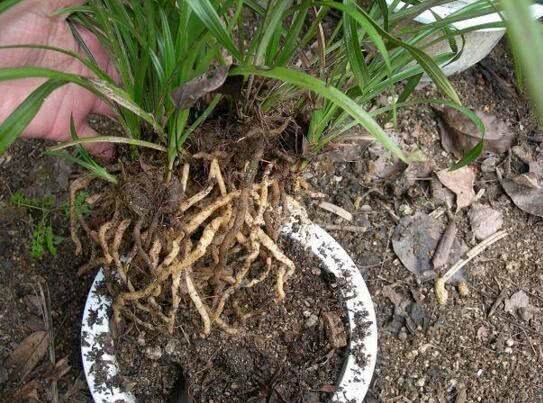
If you want potted plants to grow well, you need good soil. So what kind of soil can truly be called good soil? Pine needle soil and leaf mold soil are both good soils for growing flowers. They are loose and breathable, and after use they keep the potting soil from compacting, making it loose and airy, but the nutrition is still just a little lacking. If you can add this one thing, it becomes a veritable "all-purpose soil" - loose, breathable, and highly nutritious. Whatever you grow in it thrives!
What exactly is this one thing?
It is actually bone residue. Bone residue is rich in nitrogen, phosphorus, potassium and various other nutrients. It is a compound flower fertilizer containing multiple nutrients, so adding it to pine needle soil makes a veritable all-purpose soil.
First you need to collect pine needles and bones from various animals. Let us explain the preparation method step by step:
1. Bones: First soak the collected bones in clean water for more than 10 hours to remove the salt and other seasonings on them, then put them in a pressure cooker and simmer for 30 minutes, then put them in the sun to dry. After 4-5 days, find a way to crush the bones. Whether you smash them or grind them, the finer the better. Flower enthusiasts can figure out their own method. Once made into bone residue powder, it is ready to use.
2. Collect pine needles. They can generally be found under pine trees in parks. First cut the collected pine needles into small segments, then put them in the sun to dry for about 7 days, and then they are ready to use.
3. Find an unused large flower pot or foam box. First add a layer of garden soil, then a layer of pine needles on top, then another layer of garden soil, then a layer of bone residue powder. Layer them one by one like this. You can also add some fruit peels, rotten vegetable leaves, or some fallen leaves. Cover the top with garden soil. During the process, spray water once for each layer laid down. Moist is enough; no need for too much. Finally seal it well with a plastic bag and put it in the sun to bake. At the current temperature, fermentation can be completed in 1-2 months.
Pine needle soil made this way contains more humus, is light in weight, has very good permeability, strong water seepage, contains a large amount of organic matter, and has a certain effect against insects and diseases such as termites. Moreover, it is acidic or weakly acidic (coniferous humus soil is acidic), so it is suitable for caring for all kinds of flowers. It is a truly all-purpose soil.
With sufficient nutrition, flowers and plants have the foundation for growth. However, if you want potted plants to grow well, other care cannot be ignored either, such as light, watering, and pruning. Only with dedication can you grow flowers well, and watering is the key to growing them well. So Xiaohua will share 2 common watering methods for potted plants. I hope you like them!
1. How to water Clivia?
Clivia has broad leaves and a tender texture. It requires relatively high soil moisture content and relatively high air humidity. Therefore, Clivia cannot lack water, otherwise its fleshy roots will shrink, the leaf shape will become thin and weak, and it will be dull and lusterless. When watering, adhere to the principle of watering when half-dry, and water thoroughly when watering.
2. How to water gardenia?
Gardenia likes moisture. During the growing period, the potting soil should be kept moist, and care should be taken to increase air humidity. Each watering should preferably be done after the potting soil turns white, and it must be watered thoroughly at one time.
In the hot summer, spray water on the leaves 2-3 times a day to increase air humidity and help the plant cool down. After gardenia buds appear, it should not be watered too much, to avoid causing bud drop. In winter, it is better to water on the dry side to prevent water accumulation and root rot.
That is all for today's sharing