Pothos wilted and about to die? Water it with this kind of water, and even if you ignore it for a month, it will still grow to fill the pot
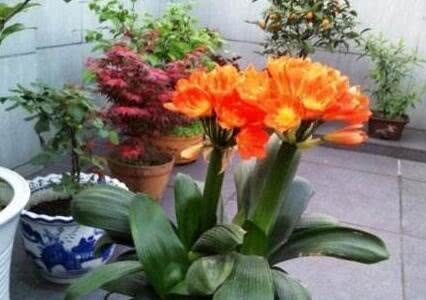
As people's living standards improve, more and more people have taken up growing flowers. Placing a few pots of flowers at home beautifies the room while also purifying the air. The process of growing flowers truly cultivates the body and the mind, and pothos and clivia are very common potted plants. Pothos is grown mainly for its foliage, while clivia, whether grown for its foliage or its flowers, gives people a sense of beauty and is a potted plant with both beautiful flowers and leaves. Today I will share a few small care tips for pothos and clivia, and I hope you enjoy them!
Give pothos a drink of this water, and new leaves will shoot up rapidly, glossy green and full of vigor
Pothos is a foliage potted plant, and foliage potted plants mainly need nitrogen fertilizer. The soybeans that flower lovers commonly have at home are rich in protein, and protein, after fermentation, is converted into nitrogen fertilizer, so give your pothos a drink of soybean water!
The preparation method is as follows:
Take an appropriate amount of soybeans from home, soak them in water for about 10 hours, and once the soybeans have fully absorbed the water, put them in a pressure cooker and boil for about 30 minutes. After they cool, put the soybean cooking water and the soybeans together into a plastic bottle. At the current temperature, after about 20 days you can take the water and use it to water pothos. It needs to be diluted with clean water at a ratio of 1:20. Flower lovers are advised to use it once every 10 days. After using it consistently for a period of time, it will make your pothos glow with health and "race" to grow, becoming more glossy the more it grows.
Give clivia a drink of willow branch water, and new shoots and new leaves will keep shooting up
Many flower lovers have left comments saying that their clivia grows especially slowly, not even producing 2 new leaves in a year. If your clivia is also like this, growing at a snail's pace, then give it a drink of willow branch water, and I guarantee your new shoots and new leaves will keep shooting up.
Why is that?
I believe flower lovers have all heard this saying: "A deliberately planted flower may not bloom, but an unintentionally planted willow may grow into shade." This old saying explains very well that the willow is a plant that is extremely easy to keep alive and grows quickly. This is mainly because the willow contains a growth hormone, salicylic acid. This growth hormone can promote rapid rooting and sprouting in plants. So how do we extract it?
This is also very simple
Flower lovers can pick a few willow branches from the current year, remove the leaves, cut them into small segments, smash the outer bark of the branches, and then soak them in clean water. Generally after about 10 hours you can take the water and use it to water clivia. This is a purely natural organic growth agent that will not burn the roots. If used consistently, even a clivia that grows at a snail's pace can rapidly put out side shoots, and its flowers can bloom more abundantly too.
If you want clivia and pothos to grow well, everyday care is also really important. Let's take a look together!
How to grow clivia?
The choice of soil is the number one key factor for clivia. The cultivation soil formula I suggest is: leaf mold (the leaf mold is best made from oak leaves) 55%, river sand 15%, pine needles 15%, charcoal 10%, hemp seeds 5%. Clivia likes semi-shade, so growing clivia indoors requires manually adjusting the effect of light on it.
The leaves of clivia are phototropic. If it is kept in one spot indoors for a long time, the leaves are bound to turn toward the direction of the sun, so it must be adjusted at all times. Clivia has fleshy roots, so it should not be watered too much. Simply water it together with fertilizing and keep the potting soil moist. The soil should not be too dry or too wet, and each watering must soak through. After buds appear, water a little more.
How to care for pothos?
Potted pothos should use fertile, loose, well-draining leaf mold, preferably slightly acidic. It should be placed in a spot with bright, indirect light and good ventilation, and must not be exposed to harsh sun. Pothos likes plenty of water and should be watered more than ordinary flowers, but there must be no standing water, and the saucer must be kept clean and drained. The potting soil should be kept moist, and the leaves should be misted frequently to raise air humidity and encourage the growth of aerial roots.