When your houseplants get pests, spray this water and you won't even need to buy insecticide
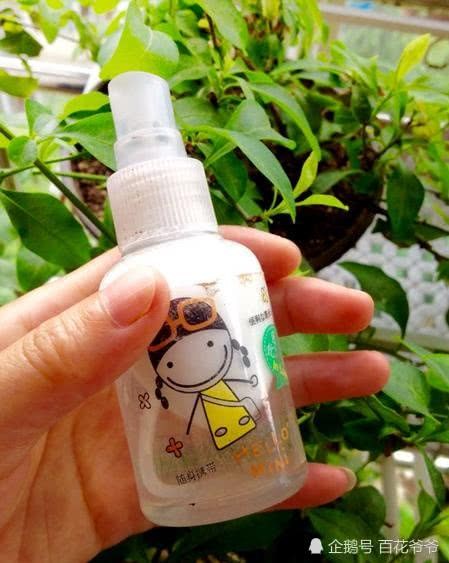
In the hot summer, besides the rising temperatures, you'll find that the flowers and plants on your balcony are especially prone to attracting pests. All kinds of fungus gnats, aphids, and caterpillars seem to take turns ruining our flowers and plants. Today, Bai Xiaomei'er is here to share with you how to eliminate all kinds of pests at home. You don't need to specially buy insecticide; making your own pest-repellent water is enough.
1. A bowl of sugar water or soapy water specifically targets fungus gnats
Place a small bowl of sugar water around the flowerpot. The sugar water can attract fungus gnats and stick them. You can also prepare a bowl of soapy water. Soapy water contains fatty acids, which after decomposition turn into a natural waxy layer. Once fungus gnats touch it, they will dehydrate and die.
2. Flowerpot isolation
Sometimes plants get pests because the soil surface is too wet. After the pot soil temperature rises, it becomes very favorable for the reproduction of insect eggs. Therefore, it is best to cover the surface of our flowerpots with a layer of dry sandy soil, which can fundamentally prevent fungus gnats from reproducing.
3. Soaking tobacco shreds in water
Take out 20 grams of tobacco shreds and soak them in 500 milliliters of clean water for 24 hours, then filter out the water and use it to spray the plant leaves, the surface of the flowerpot, and around the plant. It can also help kill and prevent pests.
4. Soaking garlic in water specifically kills aphids
Mash the garlic into garlic paste, then pour in clean water and soak for 1-2 hours. After filtering, use it to spray on the leaves. Spray continuously three times or more, and you can easily kill aphids, red spider mites, and the like.
So, fellow flower lovers, what other effective pest-killing methods have you used? You're welcome to leave a comment and share your thoughts together, so that more people can grow flowers organically and stay away from the harm of pesticides.