This wild delicacy found only under chestnut trees is hailed as the king of edible fungi, yet farmers dread its appearance
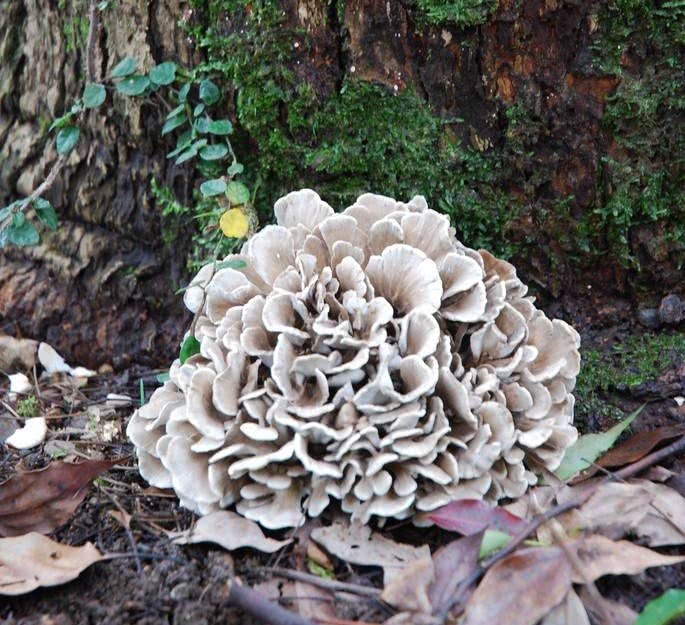
This season brings abundant rain, which is exactly the peak growing time for wild mushrooms in the mountains. Our country is vast and rich in resources, and the climate differs greatly between north and south, so many different wild mushrooms grow in the mountains. In Yunnan there are the precious matsutake and porcini, while in the north there are button mushrooms and hazel mushrooms. It is hard to say which wild mushroom tastes better, because everyone has different preferences. But it is undeniable that during the season when these wild mushrooms appear, they always attract a large crowd of farmer friends into the mountains to dig for them. After all, seasonal wild mushrooms always sell for a high price, and there is no disputing that. In the northern regions of our country, there is a kind of wild mushroom that, although very ugly in appearance, is extremely expensive and highly popular in Japan and South Korea.
This wild mushroom grows only under chestnut trees. People in Hebei call it "chestnut mushroom." Its shape is rather bizarre, usually growing in one big cluster that looks like coral, so some also call it "lotus mushroom" or "thousand Buddha fungus." Despite its unattractive looks, its taste is very delicious. Some describe the chestnut mushroom as tasting like chicken, with a crisp and refreshing texture and a peculiar fragrance. The chestnut mushroom is not known to everyone in our country, but abroad, in countries such as Japan, South Korea and Singapore, it is a high-end health food. It is said that in the past only the Japanese imperial family could eat it, and ordinary commoners could not get it.
There are mainly two reasons why the chestnut mushroom is so popular. The first is its high nutritional value: its protein, amino acids, vitamin B, vitamin C, carotene and mineral elements are several times those of shiitake mushrooms. The reason for comparing it with shiitake is that shiitake has long enjoyed the reputation of "king of mushrooms," and the chestnut mushroom's nutrition is even higher, so farmer friends also call it "the king of edible fungi" and "ginseng of North China." It is estimated that southerners have rarely seen it, and even fewer have eaten it.
The second reason is that the chestnut mushroom has very high medical and health benefits, because it is rich in selenium and polysaccharides, which help boost the human immune system. Extracts obtained from the chestnut mushroom are believed to have anti-cancer and kidney-benefiting effects, which is why it is sought after on the international market. In the northern parts of our country, farmer friends began domesticating and cultivating the chestnut mushroom in the 1980s. High-quality chestnut mushrooms are a rare edible fungus internationally, selling for more than 50 yuan per jin.
However, for farmers who grow chestnut trees, they are very afraid of the chestnut mushroom appearing. This is because the chestnut mushroom usually grows on the roots of chestnut trees, absorbing the nutrients from the roots and ultimately causing the heartwood of the chestnut tree to rot. So even if it is highly valuable, in a chestnut grove it is a hated presence.