After a typhoon, the banana plantation is left in complete disarray. How should the broken banana trees be handled?
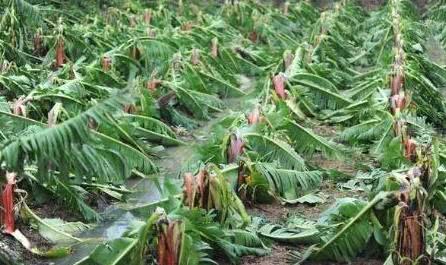
Banana trees and typhoons are both unique to summer in the south, especially now in July and August, which is a period of frequent typhoon landfalls, and typhoons cause enormous damage to coastal cities. Banana trees are no exception, just as corn is vulnerable to wind damage and prone to lodging, banana trees are the same.
Characteristics of banana trees
First, let us understand the characteristics of the banana tree. Although it is called a tree, the banana tree is not a woody plant but belongs to the herbaceous plants. Friends who have never seen a banana tree might find this a bit surprising. A banana tree produces only one bunch of bananas per year. After fruiting, the old banana tree has completed its task, and the grower will cut down the old banana tree to let new banana trees grow.
It is precisely because bananas are not woody plants that they are very prone to lodging. For banana trees that have lodged, measures must be taken promptly to reduce economic losses.
Methods for handling lodging
For bananas in the plantation with a relatively high degree of maturity, above 60%, growers should promptly cover the banana fruit with banana leaves or put bags over them, harvest them in time, and then sell them. This can also recover part of the losses. After harvesting the fruit, trim the banana tree by cutting it down, keeping a banana stump of about one meter to promote the growth of new banana suckers.
If the bananas in the plantation are still in the growing period and have not yet produced fruit, you can cut them off from the already broken part, so that the banana tree recovers as quickly as possible, sprouts, and grows into a new banana tree.
If the banana tree is not broken very severely, and this is lodging where the stem has not yet snapped, growers should promptly earth up and straighten the plant. In severe cases, protective poles can be set up beside the banana tree to help it recover as quickly as possible.
In addition, after the typhoon, drainage work in the banana plantation must be carried out promptly. Ditches should be dug in time to drain water and prevent the banana trees from being soaked in water for too long, which causes root damage and avoids further losses to the plantation.
After a typhoon, whether or not lodging has occurred, the growth of banana trees in the plantation will be affected to a certain degree, and their disease resistance will decline. Growers must do a good job of pest and disease control. Insecticides and fungicides must be sprayed within three days after the heavy rain stops to prevent disease. In addition, fertilizers should be supplemented promptly to promote rapid recovery of banana tree growth.
Prevention of lodging
Finally, what banana growers should be reminded of is that the most important thing about banana tree lodging is doing good prevention work. Banana plantations are best located in sheltered places, ideally with shelterbelts on all sides, to reduce the damage caused by typhoons.
During the growth process of banana trees, protective stakes can be set up to reduce lodging. Fertilization should be scientific; do not apply only nitrogen fertilizer, to avoid excessive vegetative growth. Nitrogen, phosphorus, and potassium should be used in a balanced way, and more organic fertilizer should be used.