Growing flowers: These 3 kinds of fertilizer must not be applied. If you applied them wrong, repot and change the soil right away.
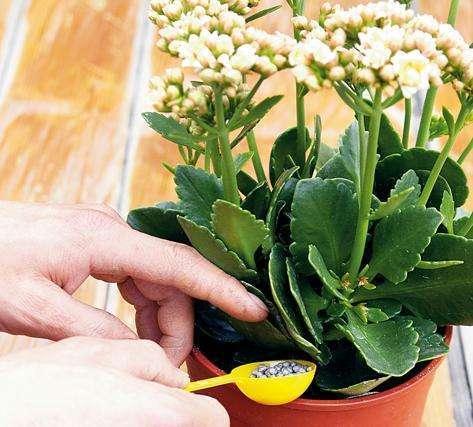
With the improvement of living standards, more and more flower lovers are growing potted flowers and plants. Indeed, growing some flowers and plants can not only beautify the indoor and courtyard environment, but also bring some fun to life and lift your mood. Many people who used to go to shopping malls on weekends now go to flower markets instead. You have to admit, the charm of potted flowers and plants is truly great!
In the process of growing flowers, there is a saying: growing flowers is three parts fertilizer, seven parts water. This saying reveals where the secret of growing flowers lies. First of all, watering is the most important, followed by fertilizing. Today let's share some knowledge about fertilizing flowers. Which fertilizers exactly cannot be applied? Let's go through them one by one.
1. "Near-root fertilizer" applied close to the flower's root system must not be used.
When fertilizer is applied very close to the plant's root system, the breakdown of the fertilizer's effectiveness produces a large amount of heat. The temperature of this heat is far higher than the original temperature of the soil, directly causing the root cells to be scorched. When the root system is damaged, nutrients cannot be absorbed smoothly. Without a supply of nutrients, the plant's leaves begin to turn yellow and dry up, and even flowering can be affected.
2. "Concentrated fertilizer" for growing flowers must not be used.
Many flower lovers know this fertilizing principle: "flower fertilizer should be thin, not concentrated." It means that when fertilizing flowers and plants, you must remember not to apply concentrated fertilizer, because concentrated fertilizer will scorch the plant's root system, causing the plant to develop "heavy-fertilizer yellowing" until it dries up and dies. Besides concentrated fertilizer, there is also a 3rd kind of fertilizer that must not be used.
3. Fertilizing too frequently is also no good, that is, "frequent fertilizer" must not be used.
In the process of growing flowers, fertilizing is certainly important, but if you fertilize over the long term, it will be detrimental to the growth of flowers and plants. Because the fertilizer's effect is too strong, it will first scorch the root system, and furthermore, the soil in the flower pot will remain in a high-heat state for a long time, which will affect the respiration of the root system. This slows down respiration, directly causing the root cells to shrivel, and even absorbing water will feel laborious.
When fertilizing, you cannot rigidly apply the principle of "thin fertilizer, applied frequently," because each kind of flower has a different growth habit. "Frequent" also depends on what kind of flower it is.
That's all for the knowledge about fertilizing flowers. If you accidentally applied fertilizer the wrong way, be sure to repot and change the soil in time. If during the care process you have better experience and tips, feel free to share your flower-growing insights in the comments below. Finally, one more reminder: remember to stop watering one or two days before fertilizing flowers, and also, after fertilizing, try not to water immediately.
For more flower-growing knowledge, welcome to follow Potted Plant Corner. Thank you for reading!
Remember to like and share~