Add 1 ingredient to the rose soil, and the old man's flowers grow plentiful and large
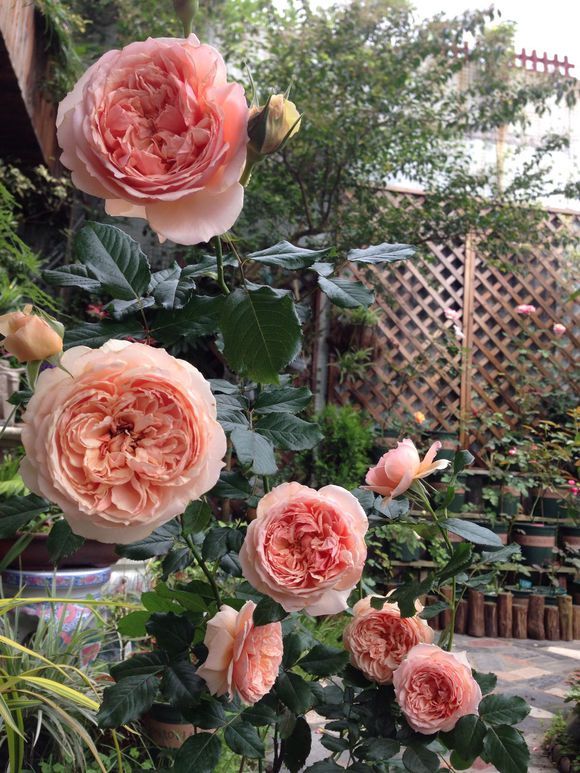
Summer flowers and plants always come with many stories, such as succulents turning to mush and black rot, black rot disease in orchids, red spider mites and albinism in roses. Some flower lovers joke that in summer, the one who loves roses most is not you, but the red spider mite! In summer, when flower lovers meet, there are always endless stories to tell.
Grandpa Li is a rose enthusiast. After retiring, he chatters about his roses all day long, and the entire rooftop is planted with roses. His main daily work is watering the roses, fertilizing, weeding, turning the soil, and removing pests. He is busy and happy all day long. After working, his body has become even stronger, and his family is very happy for him.
Grandpa Li really has a knack for growing roses. The roses he grows basically bloom every month, and the flowers are very large. Many aunties in the neighborhood come to learn from him. Let's take a look at what secret tricks he has.
Grandpa Li summarized the main reasons for failing to grow roses: overwatering, unreasonable lighting, unscientific fertilizing, and unsafe soil. As long as these aspects are done well, the roses will never turn out too bad.
1. Growth and blooming depend entirely on fertilizer. The cultivation soil is best mixed with a little rice husk ash, broad bean shells, bean cake, or chicken and pigeon manure, etc., to provide various nutrients such as nitrogen, phosphorus, and potassium. During the peak growing season, pay attention to topdressing. Beginners are not advised to use granular fertilizer, or to use it sparingly. Fertilize scientifically. Old Li suggests choosing an organic nutrient solution that dilutes quickly, as this can increase the chance of success. Generally, dilute 500 times and water with it. In summer, do this once every 7 days.
2. Water. Roses are fairly drought-tolerant. Too much watering will kill them, but a little dryness is fine. In summer, water according to the principle of "watering when dry in between." The water must be watered thoroughly, reaching deep into the roots. In the morning and evening, you can also mist the rose leaves to increase humidity. This way the roses will grow relatively fast, and it can prevent high-temperature dormancy. When the weather cools down a bit in autumn, they will burst into bloom again.
3. Light. Roses love light, but strong direct sunlight in summer is not good for flower bud development. This way, flower buds easily turn black or leaves easily turn yellow. So in summer at noon, moderately shade them, and also pay attention to ventilation. If it gets stuffy, the whole plant can easily develop yellow leaves.
4. Soil. Some flower lovers do not pay attention to this point. They just find some soil casually and use it directly without any treatment. Then you will know the trouble later: flowers do not bloom, pests and diseases, and root rot can also be caused by soil problems. Many people think growing roses depends entirely on fertilizer. In fact, if the foundation is not good, no matter how much you supplement later, it will be difficult.
Old Li generally chooses loose, slightly acidic soil rich in organic fertilizer. He also uses some sugarcane bagasse as a base fertilizer, so that in later care it will slowly release fertility. The roses grow strong and can absorb an endless supply of nutrients from the soil. After that, regular topdressing is enough.