How to Handle a Kalanchoe After It Finishes Blooming
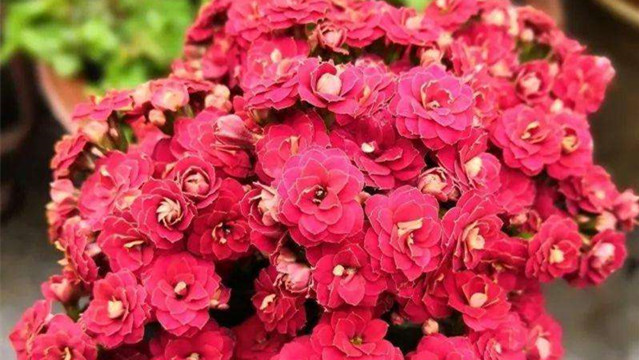
1. Pruning Spent Flowers
After a kalanchoe finishes blooming, first cut off the flower bud portion; generally, cut off the upper part of the branch that has flowered together with the spent flowers. Because flowering times differ, you can prune in stages according to each plant's flowering time.
2. Pruning Branches
After flowering, give the plant an overall trim: first prune the dead branches, old branches, and leggy branches, then thin out the growth according to the plant's shape, so that the plant form is attractive and well ventilated.
3. Taking Cuttings
Cut off some of the better-growing branches below a node, let the wounds dry in a ventilated place, then plant them in a medium mixed with perlite and bone meal; generally, such branches grow well.
4. Dormancy Care
After flowering, keep the plant at 15-25°C. In summer, evaporation is fast, but do not overwater, to prevent stunted growth and problems such as root rot; water only after confirming the soil is dry. After flowering, you can apply some nitrogen fertilizer as appropriate to replenish the nutrients needed for growth. The post-flowering period is generally the spring and summer dormancy period; at this time sunlight intensity increases, so provide appropriate shading.