Sisal has high economic value and extremely wide uses, and is the hard fiber with the largest application volume in the world.
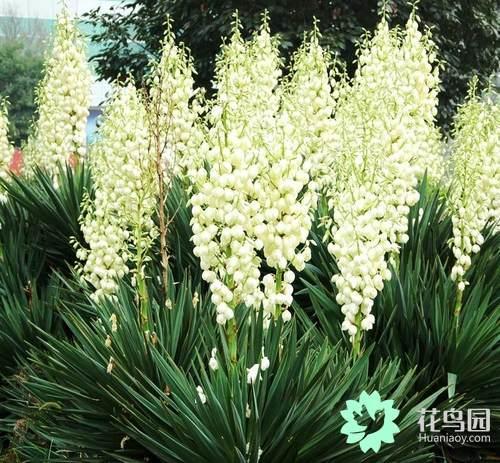
Sisal, also called pineapple hemp, is the hard fiber with the largest application volume and the widest range in the world today, and is mainly grown in Africa, Asia and other places. World sisal import and export trade is growing continuously, but China's domestically produced sisal fiber still cannot meet domestic demand, and China increases its imports of sisal fiber every year.
The uses of sisal fiber are continuously increasing. Sisal fiber is tough in texture and resistant to wear, salt and alkali, and corrosion, and is widely used in various industries such as transportation, fisheries, petroleum and metallurgy, and has important economic value. At present, the protective nets, rainproof cloth, fishing nets and woven sacks and other supplies used by the large hydroelectric stations built in various parts of the country also use sisal fiber crops.
Sisal can also be used as feed material for livestock and poultry, fertilizer for crops, and the residue of the leaves can also be used to produce alcohol, oxalic acid, pectin and other products. The heads and short fibers of sisal are made into rayon, high-grade paper, brushes and the like in processed products, as well as a small amount of insulating products and fillers for explosives. The flowers and stem juice of sisal can also be used for brewing wine and making sugar.
Sisal contains a variety of saponins, proteins, polysaccharides and other chemical components, and also has pharmacological effects such as lowering cholesterol, anti-inflammatory and anti-tumor. Sisal saponin is a pharmaceutical intermediate and important raw material for the synthesis of steroidal hormone drugs.
Sisal has the characteristics of strong adaptability to the environment, good beautification and greening effects, strong anti-pollution and air purification ability, and good economic value, and is also widely used in road greening, parks, street scenic spot greening, factory greening and home greening and other aspects.
Sisal has relatively strong adaptability, is tolerant of barren soil and drought, and fears waterlogging, but has strong growth vigor and a very wide range of adaptation. It is suitable for planting in loose, well-drained sandy loam with a low groundwater level and fertile soil, while places with poor drainage and frequent moisture are not suitable for planting. If you encounter problems when planting sisal and do not know how to deal with them, you can consult experts on Yunzhongyang, which is the world's largest agricultural technology question-and-answer platform. It brings together tens of thousands of experts in planting and breeding, and every question raised will receive a reply within 2 minutes.
The flowers and leaves of sisal are both very beautiful. The leaves are shaped like swords, and when it blooms, the flower stalk rises tall and upright, the flowers are pure white, and the numerous white flowers hang down like bells. The posture is graceful, the flowering period is long-lasting, and the delicate fragrance is pleasant. It is a good garden ornamental tree and also a good cut flower material. It is often planted in the center of flower beds, in front of buildings, in lawns, by ponds, on terrace slopes, at buildings, along roadsides and in hedges.