The king of fruits with higher anthocyanin content than blueberries, once free but now unaffordable
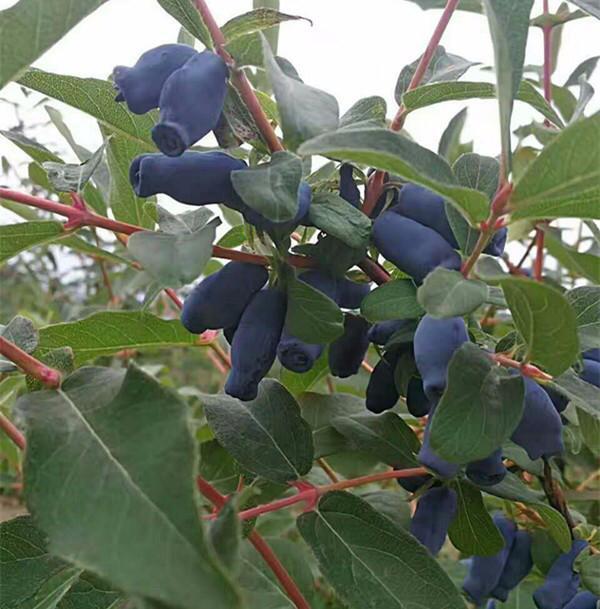
It is the real "king of fruits", with anthocyanin content even higher than blueberries, once free but now unaffordable! The scientific name of this fruit is Lonicera caerulea (honeyberry), which grows wild in northern China and other places, and is called "heixiazi" or "shanqiezi" in some areas. The fruit is rich in nutrients, can be eaten raw, can also provide pigment, and can be used to make wine, beverages and jam. The flower buds, fruits and tender branches can be used as medicine to clear heat and detoxify.
The sweet-and-sour honeyberry is a fruit rich in nutrients. Honeyberries are rich in sugars, organic acids, minerals, various trace elements and vitamins, among which the vitamin content is higher than that of ordinary fruits and vegetables, and the vitamin C content is dozens of times that of apples. In particular, the VPP content is nearly a hundred times higher than that of other fruits.
The flowers of the honeyberry are also very sweet and can be used as a nectar source. In May, the pale yellow small flowers dot the valleys. If you pick one and put it in your mouth, that sweetness and fragrance will make you keep it in your mouth for a long time, and you will be reluctant to swallow it.
In June and July, the fruit turns from green to purple. This is the harvest season, and you can invite your friends to pick "shanqiezi". From far away, you can smell the strong fragrance of the honeyberry. Up close, you see the berries all over the tree, soft and tender, purple-blue, covered with a white bloom, swaying like purple agate, extremely tempting. Put the fruit in your mouth, and without chewing, it breaks with a smack, so sweet. We once ate it as a wild fruit, but now it is rarely seen. Today this wild fruit has become a premium fruit, selling for 30 yuan per jin, which is unaffordable.
Honeyberry can not only lower blood pressure and increase white blood cell count, but also has the effect of treating anorexia in children, with a cure rate of 90%. It has a certain effect on children's development and also has anti-cancer effects.
Eating a moderate amount of honeyberry can protect eyesight, because honeyberry contains a high content of anthocyanins, even higher than blueberries. It also has extremely high antioxidant activity, can maintain skin and delay aging, and is a very good fruit for supplementing nutrition.