These 2 flowers are most prone to root rot, but a single leaf stuck in soil will grow, a sure win with no loss
Growing flowers indoors adds charm to life, makes the environment more comfortable, and can also lift the spirits, cultivate character, and enrich people's leisure time.
These two flowers are common flowering plants in daily life and also very popular potted plants right now. Many people surely love them, but these two flowers are most prone to root rot, so hurry and take some leaves, stick them in soil and they will grow, no loss and a sure win!
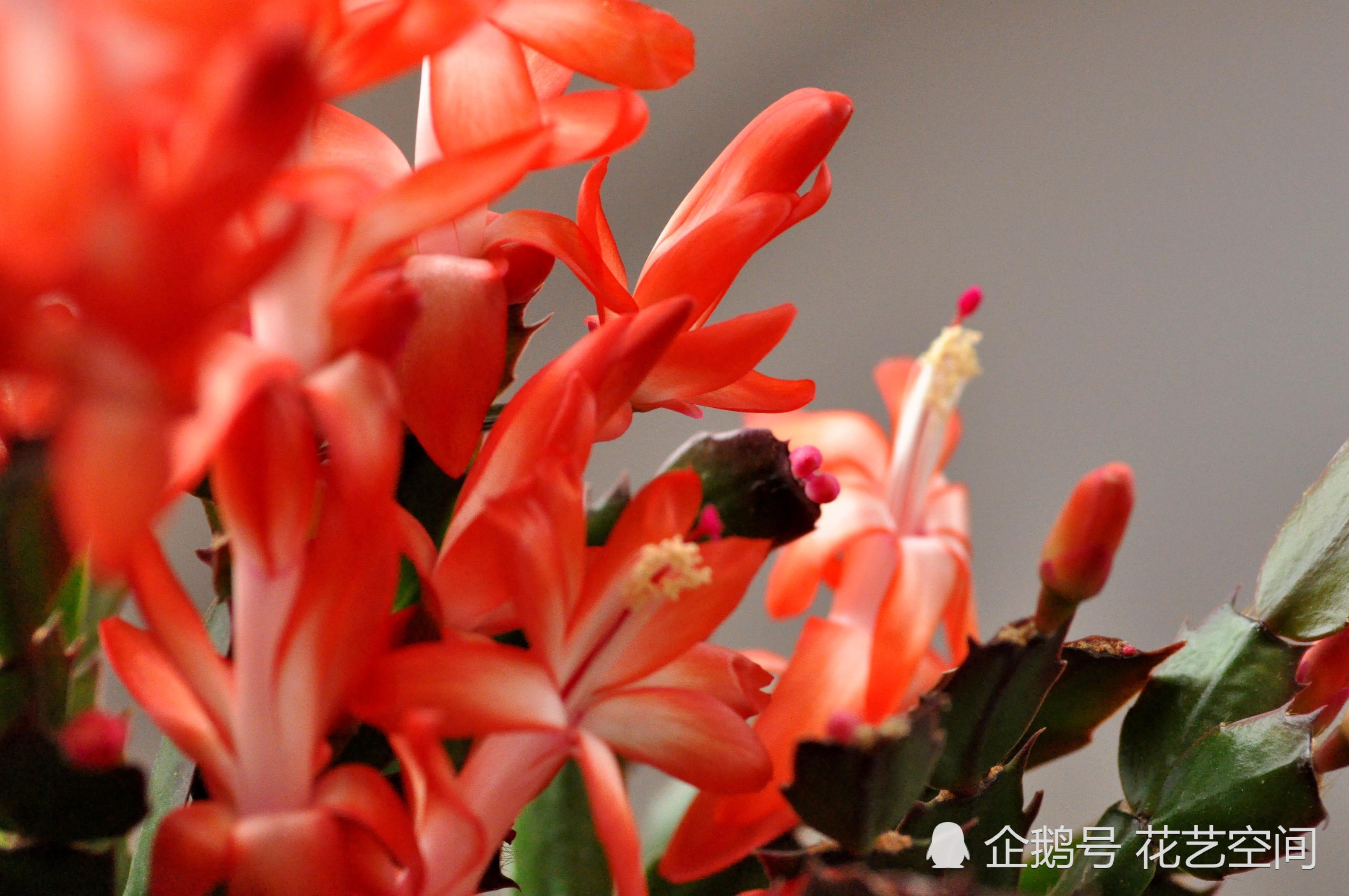
Christmas cactus
The Christmas cactus has delicate, lovely, dainty little flowers and is an excellent choice for potting, greatly loved by people. When caring for a Christmas cactus, its roots very easily rot, which makes the leaves turn yellow and causes it to fail to bloom!
When these two situations appear, you need to be on high alert; it is very likely the root system has died. You can cut off healthy leaves and insert them into sandy soil, and they will root in 20 days, giving you another pot to propagate, so you will not lose everything!
To prevent the Christmas cactus root system from rotting, many flower growers choose to graft the Christmas cactus onto rootstock, such as cactus, ball cactus, Epiphyllum, and so on, because their innate conditions are good and their ability to adapt to the environment is strong, so they can continuously provide nutrients to the Christmas cactus and reduce the chance of root rot!
So if you like Christmas cactus and are afraid of it rotting at the roots, graft it onto rootstock, and it will greatly reduce the chance of root rot, and daily care will also be relatively simple!
ZZ plant
The ZZ plant has emerald green, glossy leaves and an elegant, beautiful plant shape, symbolizing the arrival of wealth, and is a very popular flowering plant right now, well worth having!
In the process of caring for a ZZ plant, its root system is also prone to rotting, which then shows on the leaves, with leaves turning yellow, withering, and so on, or the plant failing to grow.
Because the ZZ plant is also very easy to propagate, you can use leaf cuttings. When the ZZ plant's root system has rotted and can no longer be saved, you can pick a handful of ZZ plant leaves and insert them into sandy soil, and they will root in 20 to 30 days, slowly grow new leaves, and propagate very easily!
So how do you prevent the ZZ plant's root system from rotting?
The ZZ plant likes sandy soil, so the soil must have good drainage and good permeability. The quality of the soil determines how the root system grows. When mixing the soil, you can use peat soil plus perlite, and choose a deeper flower pot!
Each time you water, you can check whether the tray seeps water. If no water flows out for a long time, it means the soil has very likely become compacted, and at this time you should replace the soil promptly. Also, after each watering, loosen the soil promptly, which can also prevent the soil from compacting!
Latest articles
Grow a ZZ plant with specially made water and dedicated soil, the leaves are so shiny they reflect light, and it shoots out 10 buds in a year!
Lily of the valley, with a unique flower shape, shade tolerance and fragrance, known as a household oxygen bar, well worth having!
Grow a pot of crown of thorns, know 2 points, red flowers hang on the branches, blooming in all four seasons, strong and disease-free!