8 drought-tolerant, low-maintenance flowers that even beginners find hard to kill
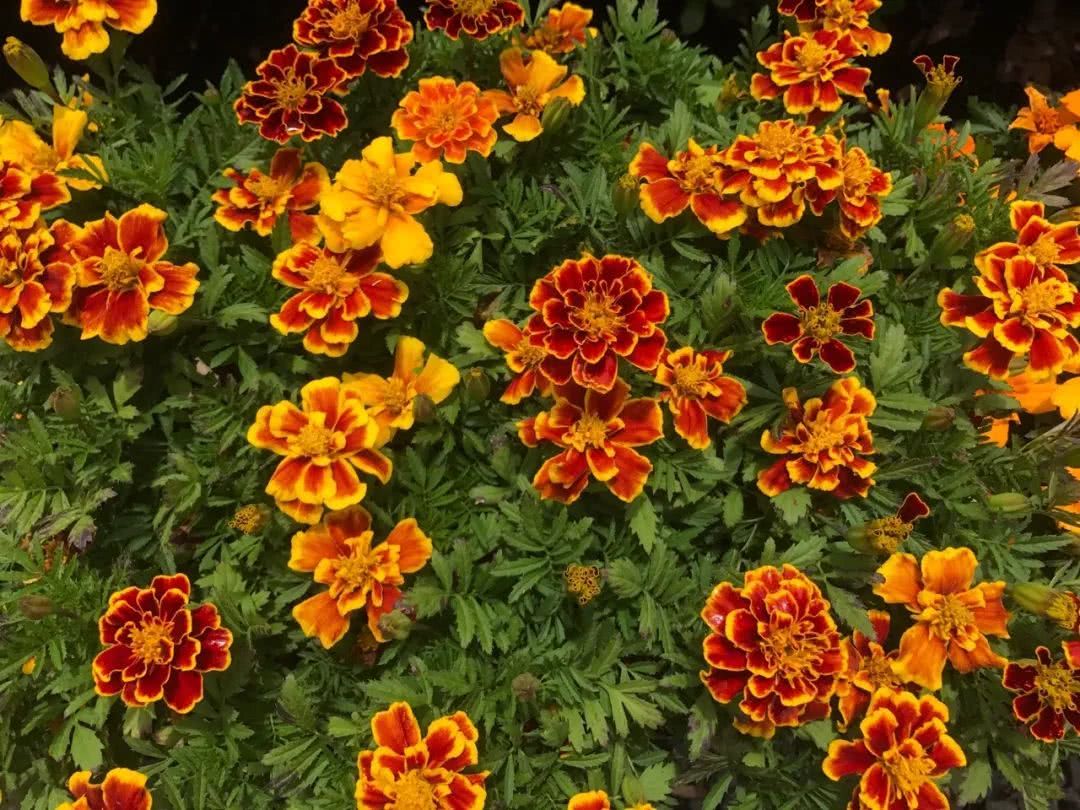
If you want to grow some drought-tolerant plants that don't need frequent care, one of these 8 plants is sure to suit you. They don't need much time spent on management during care, and they can maintain vigorous growth in the yard. Only during long periods of drought do they need regular watering. As long as they are grown in a suitable spot, they can keep blooming year after year.
1. Marigold
Marigold is one of the most drought-tolerant and heat-tolerant flowers among garden flowers. It has very strong adaptability to the environment and likes a warm and humid environment year-round. Cultivation requires loose, well-drained soil. As long as the growing spot gets plenty of light, it can maintain vigorous blooming. It doesn't need much care, and its demand for fertilizer is not too high.
2. Russian sage
Russian sage is also called clary sage. Its care method is especially simple, and it can also attract many insects beneficial to plants. It is a plant that is hard to kill, with almost no pests or diseases. As long as the soil is kept well-drained and the growing spot is ventilated and lets light through, that is enough. Its drought tolerance is especially good, and it can grow well under various environmental conditions.
3. Daylily
Daylily is a plant of the Hemerocallis genus. It is also a very beautiful flowering plant in the yard. Most importantly, it is a very practical flowering plant. The flowers are highly ornamental. Before the buds have fully opened, they can be picked and used as food.
Growing daylily requires well-drained soil, and the growing spot needs proper light. It can maintain vigorous blooming in summer and autumn, and its drought tolerance is also quite good.
4. Cosmos
Cosmos is an ornamental flower that doesn't need frequent care. Its drought tolerance and heat tolerance are both good. You only need to throw some seeds directly into the yard and they will grow. Cosmos likes plenty of light. The growing spot should be ventilated and let light through. The soil only needs to be kept loose, breathable and well-drained. It doesn't need frequent care.
5. Coreopsis
Coreopsis can grow well under various environmental conditions. It can adapt well to various soils. As long as it stays warm and humid year-round, it doesn't matter if the growing spot is dry or extremely hot year-round. It can even easily grow into a wildflower in the yard. The growing spot should be kept ventilated and let light through, and plenty of light every day is enough.
6. Moss rose
Moss rose is also a flowering plant that can grow vigorously without much care. The key to growing moss rose is to keep it warm year-round and provide as much light as possible. The growing spot is best with more than 6 hours of light per day, so that it can maintain a blooming state year-round.
The leaves and stems of moss rose are full of moisture. Even if you dig it up, leave it in the sun for a few days, and then replant it, it can still survive. When propagating, you only need to cut a segment and stick it directly into the soil for it to survive.
7. Spider flower
Spider flower is also a flowering plant that is very easy to grow. Its plant is relatively tall, suitable for planting in the yard. For pot cultivation, a larger container is needed. Its drought tolerance and heat tolerance are both excellent, and it is especially easy to propagate. You only need to level the soil, keep the soil breathable and well-drained, and scatter the seeds directly in the yard for them to grow. Just keep the growing environment warm with plenty of light.
8. Hens and chicks
Hens and chicks has a great many varieties, including the common Purple Beauty and Guanyin Lotus. Its care method is especially simple. Prepare well-drained soil. The growing spot should be ventilated and let light through, with relatively plenty of light. This will promote good growth of hens and chicks. It also has excellent drought tolerance and cold tolerance, and can survive even at low temperatures of a few degrees below zero.