6 tips for proper water control in succulents, so they too can become plump and fairy-like
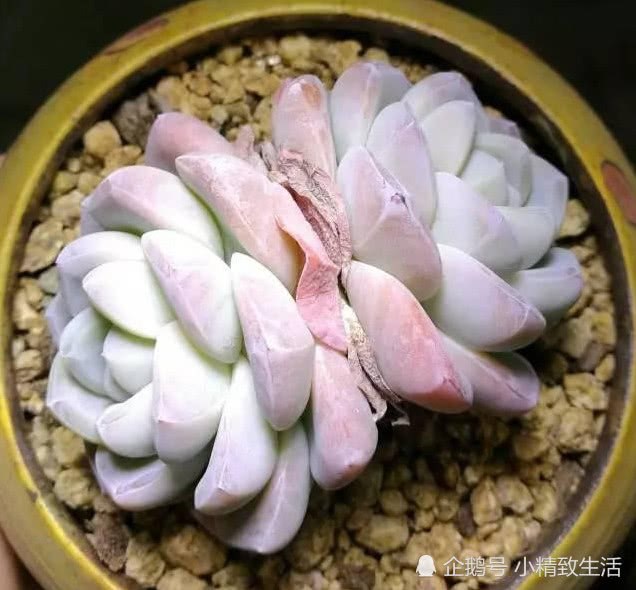
I believe many beginners got into the hobby after seeing the plump, adorable fairy-like succulents others grow, but as they care for their own, they find they just cannot achieve that fairy-like state. What is going on?
In the process of caring for succulents, I believe everyone is familiar with the term "water control." Effective water control not only prevents succulents from becoming leggy, but can also make them plumper and more colorful, ultimately achieving a fairy-like state beyond your imagination. So, how exactly should succulents be water-controlled? Below, Xiao Jingzhi Life learns together with you.
To grow succulents, first grow the roots; that is, water control can only begin after the succulent has fully acclimated to its pot. So how do you tell whether a succulent has acclimated to its pot? Very simple: as long as the succulent plumps up somewhat after watering, it means the roots are strong and it has fully acclimated.
After confirming that the succulent has acclimated to its pot, you can begin water control. The specific method of water control is to give only part of the water when the succulent is fairly severely short of water.
So what are the signs that a succulent is short of water? If you count from the outer ring, when the leaves in the 2nd and 3rd rings of the succulent become wrinkled, it means the succulent is short of water. Of course, some succulent varieties have only 3 or 4 layers of leaves, so counting this way would not be appropriate; therefore you still need to judge flexibly according to different varieties.
Next, let's talk about how much water to give. Previously it was always said to "water thoroughly when dry"; this refers to when you have just entered the hobby and lack experience, and first need to keep the succulent alive. But to go further on the basis of keeping it alive, to grow it well and bring out its state, the amount of water needs to be less than the "water thoroughly" level. This amount cannot be measured in numbers; it requires continuous experimentation and probing based on actual conditions to finally find the right amount.
What has been said above is water control, which is nothing more than the two indicators of watering interval and watering amount. Simply put, it means continuously increasing the time interval between waterings and continuously reducing the amount of water, to find the succulent's limit. This is also the origin of the saying "torturing succulents."
When controlling water and torturing succulents, you need to pay special attention to the following points:
1. Water control in succulents is a long-term process; it takes at least a few months before the state begins to show and results become visible;
2. Water control in summer makes it very difficult to bring out the state; in summer, the role of water control is more about maintaining the existing state;
3. A ventilated environment + breathable potting soil + sufficient light + reasonable water control working together will bring out the state; none of these four factors can be missing;
4. Tap water needs to be left to stand for a few days first, and it is better to water after the residual chlorine in the water has naturally dissipated;
5. I do not deny the role of fertilizing, but I really have never fertilized;
6. Leaves that have already become elongated are irreversible; water control can only ensure that newly grown leaves become rounder and plumper, and then slowly replace the original leaves.
The above was compiled and published by Xiao Jingzhi Life; I hope it is helpful to you.