This weed by the farmland was a lifesaving wild vegetable for the poor 30 years ago, but now it is removed on sight
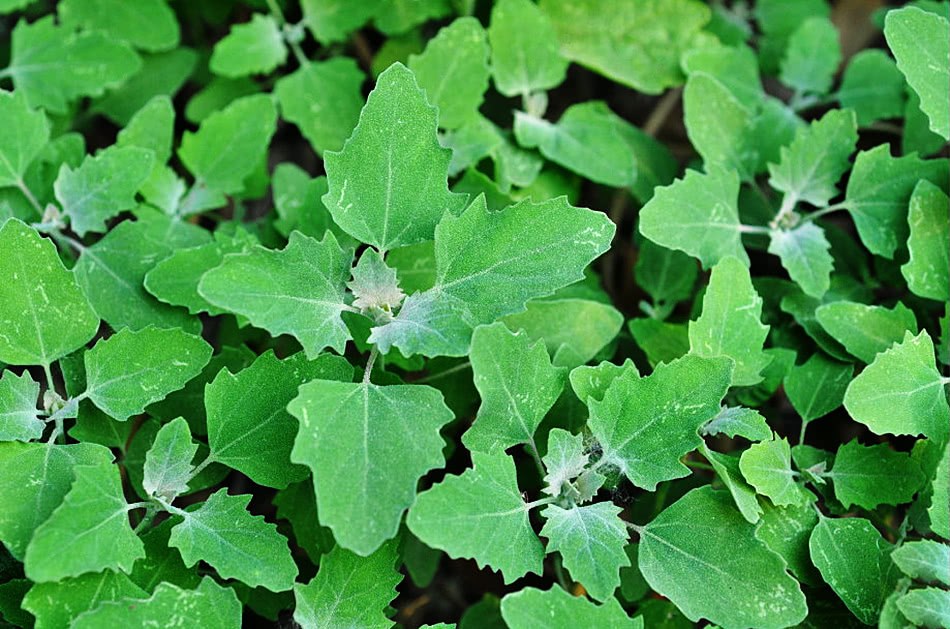
Our country has a vast territory and rich vegetation resources, especially in rural wild areas, where there are all kinds of wild grasses, wild trees, and so on. As for these wild plants, many young people today may not pay much attention to them, but for many older-generation farmer friends, quite a few wild grasses are treasures, especially in the past when living conditions were poor. Many older-generation farmer friends relied on these wild grasses to get by. Below, the author introduces one such wild grass. It was once loved by many older-generation farmer friends, but now nobody pays it any attention.
Speaking of this wild grass, many friends who have lived in rural areas have probably seen it. It is a very common wild grass in our country. Except for Taiwan, China, Fujian, Jiangxi, Guangdong, Guangxi, Guizhou, and Yunnan, it is found in rural areas of almost every province and city in our country, and can be seen almost everywhere along roadsides, by farmland, in vegetable gardens, and around the fronts and backs of houses, especially in summer. This wild grass is "lamb's quarters" (Chenopodium album). However, because lamb's quarters is widely distributed, the local dialect names for it differ from place to place. In some places it is called "luoli", in some places it is called "rouge vegetable", and in some places it is called "grey vegetable" or "grey-grey vegetable", and so on.
Speaking of lamb's quarters, older-generation farmer friends should actually have a deep impression of it. More than 30 years ago, rural living conditions could be said to be very poor, and people often did not have enough to eat, so many poor older-generation farmer friends would dig up some wild grasses in the wild to fill their stomachs, and lamb's quarters was one of them. The tender leaves of lamb's quarters can be eaten. After blanching in boiling water, they can be eaten cold dressed, or they can be stir-fried.
However, now, as living conditions get better and better, people no longer eat this wild vegetable. In addition, it likes to grow in dry crop fields and orchards such as wheat, cotton, beans, potatoes, vegetables, peanuts, and corn, and has a certain impact on the growth of these crops and fruit trees. Therefore, many farmer friends now remove lamb's quarters as soon as they see it.
In fact, besides being edible, lamb's quarters also has medicinal value.
According to the records in "Chinese Materia Medica", the young whole plant of lamb's quarters can be used as medicine. Its taste is sweet and its nature is neutral. As medicine, it has the effects of clearing heat and removing dampness, detoxifying and reducing swelling, and killing insects and relieving itching. It can be used to treat fever, cough, dysentery, diarrhea, abdominal pain, hernia, toothache from cavities, eczema, scabies, vitiligo, swollen and painful sores, insect bites, and many other symptoms.
Of course, although lamb's quarters has edible and medicinal value, the author does not recommend eating it, because lamb's quarters is also a mildly toxic wild grass. If handled improperly, after some people eat the tender leaves of lamb's quarters, the skin exposed to sunlight may develop inflammation such as swelling and bleeding, with local itching, swelling, and numbness. In addition, pesticides are often sprayed nowadays, so everyone only needs to understand lamb's quarters.
Finally, a timid question: friends, have you ever eaten "lamb's quarters" before? You are welcome to leave a message and share!