Watering precautions and methods for Aloe juvenna
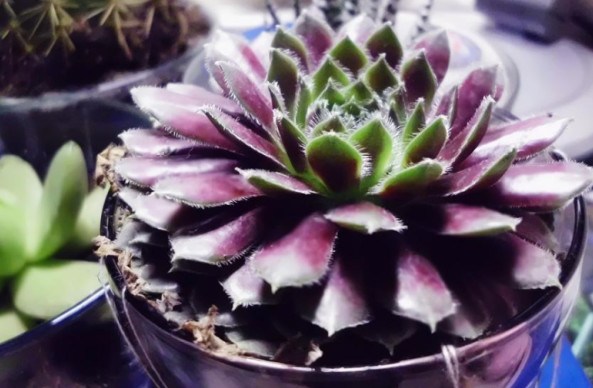
Aloe juvenna is a variety that many plant lovers greatly enjoy, mainly because it looks very fresh and is also very appealing. So we can see it in many friends' homes. Everyone likes to place it on the office desk, or in the living room at home, and it is also quite commonly seen in the study. It is deeply loved by plant lovers. But many plant lovers are very puzzled about when to water it, so today we will discuss the issue of watering it.
As for the watering of Aloe juvenna, the editor's opinion is not to water too much. In the two seasons of spring and autumn, generally about once every 15 days. If it is in the hot summer, it can be more frequent, watering once every four or five days. The watering time should avoid the hottest period at noon. It should also be noted that when watering, try not to drip water onto its leaves. Try to let it see more sunlight. In order for its growth appearance to be more beautiful, be sure to remember to turn it in a different direction every three or four days, so that all around it can be evenly exposed to sunlight. The result is that the appearance will be more beautiful, and the color will also be more emerald green and charming. But you must not let it be exposed to scorching sun. Whether it is a new plant you bought, or an old plant without a pot that has just been planted, you must not water it at first, at most spray a tiny bit of water mist on it.
Many plant lovers report that their Aloe juvenna develops leaves growing downward, just like a skirt being worn. In fact, the main reason for this situation is excessive watering, which causes leggy growth. Growing Aloe juvenna is actually very simple, and its growth rate is also very fast. When propagating, you can use the small plantlets that grow between its leaves. Wait until they grow a little bigger, then directly cut them off. At this time, remember to let the cut dry for one to two days.
Then you insert it into this group, and it will soon grow into a new plant. For many, ordinary soil is fine. If you want to be more particular, use garden soil, plus river sand or coal cinders, and also add leaf mold. Take these three types of soil in equal parts, one part each, and mix in a little bone meal. The soil you mix yourself has very good air permeability. Only when the air permeability is good can the roots come into contact with oxygen. This may be the biggest difference between succulents and other plants. The soil must have a feeling of air permeability. If it does not have this effect, its roots may rot very easily, which will also lead to a very low survival rate. Above is a brief introduction to some growing methods for Aloe juvenna, and I hope it is of some help to plant lovers.
(The above images are all from the internet. If there is any infringement, please contact us for deletion.)