Succulents Getting Thin and Long Like Bean Sprouts in Summer? 6 Easy Ways to Deal With It
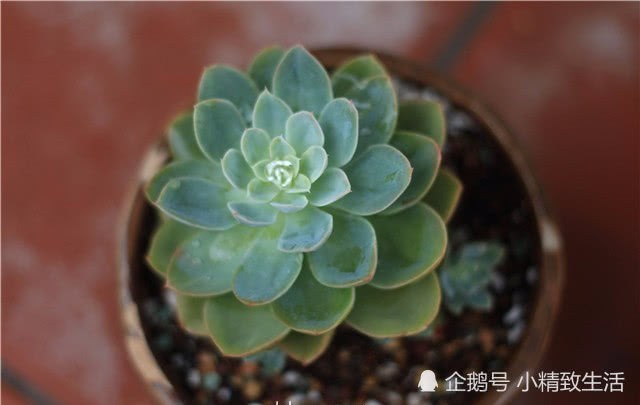
Summer is here, and friends have all put up shade nets for their beloved succulents to prevent sunburn. But one or two weeks after putting up the shade nets, problems arise: the middle leaves of some succulents turn pale and look washed out; the growth point at the center also starts to stretch upward, and the succulent leaves begin to loosen and sag.
If left unchecked, the succulent stems will become thinner, the spacing between nodes will grow longer, until they turn into bean sprouts. This is etiolation.
Everyone understands that the most direct cause of succulent etiolation is putting up shade nets, resulting in insufficient light, and everyone feels there is no way around it. But did you know? The more severe the etiolation of succulents, the worse their resilience becomes, especially etiolation in early summer, which makes the later period very hard to get through. And if you then withhold water from the succulents, it will make the already thin and elongated etiolated succulents even weaker, making it even harder for them to survive the summer. So what should be done?
1. Not all regions need to provide shade for succulents in summer. In rainy summers, sometimes rain protection is far more important than shade.
2. Do not start shading succulents early in early summer. Succulents, like people, have inertia; the earlier you shade them, the more prone to sunburn they become later on. As long as it is not intense direct sunlight, try to let succulents receive longer periods of light, so that their resilience will be stronger later on.
3. In fact, succulent etiolation precisely indicates that they are not very sensitive to high temperatures. The essence of etiolation is actually crazy growth, meaning the succulent has not gone dormant. You might as well give etiolated succulents more light resources, such as the edge of the shade net, so they can enjoy more angled light. But avoid the midday sun.
4. Those winter-growing types or spring-autumn types that go dormant in summer must definitely be moved to positions with relatively less light.
5. If your succulents are etiolating as a group, rather than just a few of them, then pay attention: is the shading effect of your shade net too strong? At this point you can raise the shade net higher, or switch to a shade net with a lower needle count.
6. It is still the same saying: mindset is most important. If you really cannot stop the etiolation, do not mess around with them; it is better than losing them all.
The above was organized and published by Little Exquisite Life, hoping it is helpful to you.