Fast fashion
By DaDa
In the world around us, we are surrounded every day by all kinds of clothing from all kinds of brands. Among all these branded clothes, how much do you really know about fast fashion? Today, let's follow DaDa and learn about fast fashion together.
Fast fashion originated in 20th-century Europe, where it was called "Fast Fashion," while in the United States it was called "Speed to Market." Fast fashion is mainly characterized by being "fast, accurate and ruthless," and it drives global fashion trends. "Fast" means that fast fashion brands, through their keen sense for international luxury brand runway shows, carry out integrated design and quickly move into production and sales, closely following fashion trends. "Accurate" refers to a precise eye. Designers can predict the fashion trends of the near future and design new products at a relatively fast pace. "Ruthless" refers to the fierce competition among brands, which leaves consumers facing many choices.
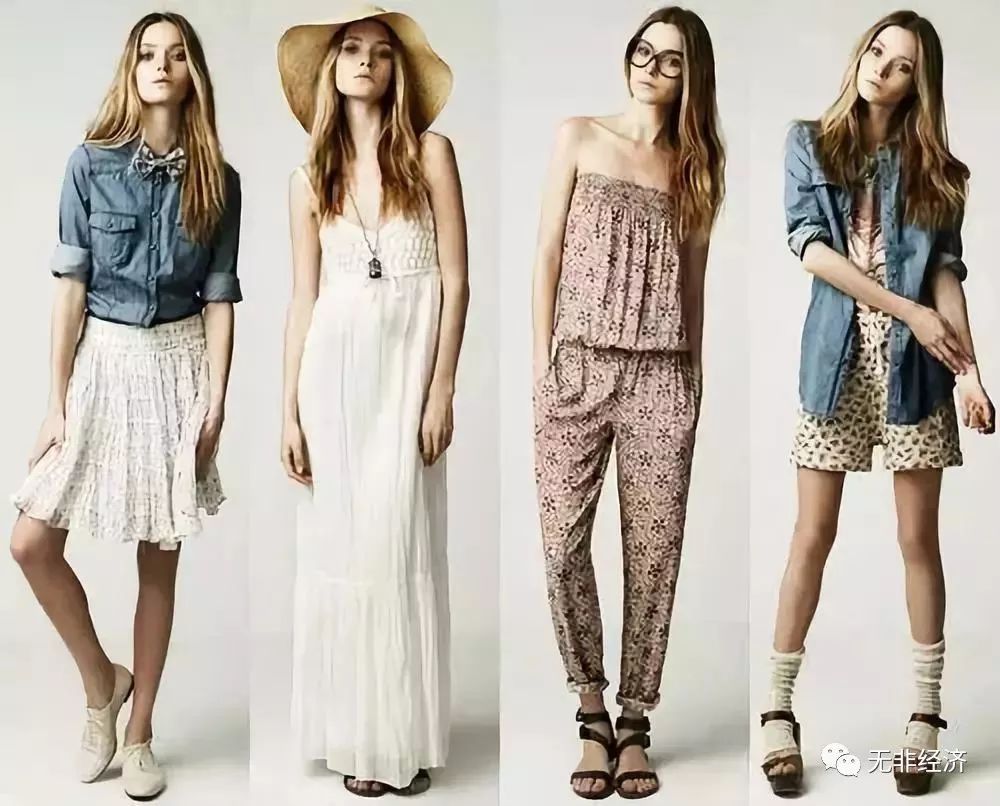
It can be said that fast fashion is a product of the combined influence of four major social trends: globalization, democratization, a youthful orientation and networking. "Fast fashion" evolved into a sales model in which fashion apparel companies respond quickly to the fashion designs seen on the runway and turn out products that closely follow the latest fashion trends, which then flow into stores at low prices, targeting mainstream consumers. The most representative brands in "fast fashion" mainly include ZARA and H&M from abroad. The "fast fashion" concept can save a great deal of time, and time is money.
ZARA is a subsidiary under Spain's Inditex group. Its clothing designs are excellent yet low in price, and it is deeply loved by people. ZARA's "fast" is unmatched by some other fast fashion brands. No item of clothing stays in ZARA's headquarters warehouse for more than three days, and inventory turnover is extremely fast. In pursuit of extreme speed, it does not balance product cost; transport is all by air, and production and processing are carried out domestically.
H&M, another fast fashion giant. It considers not only shipping speed but also product cost, so its speed is not as fast as ZARA's, but it holds a place by virtue of a certain cost advantage. These fast fashion brands cannot avoid copying, but whoever copies the essence has a higher degree of fashion. In this way, they seize a place in the fast fashion world.