The wild plant "flying centipede" can get into cracks and cause houses to collapse, yet some people treasure it
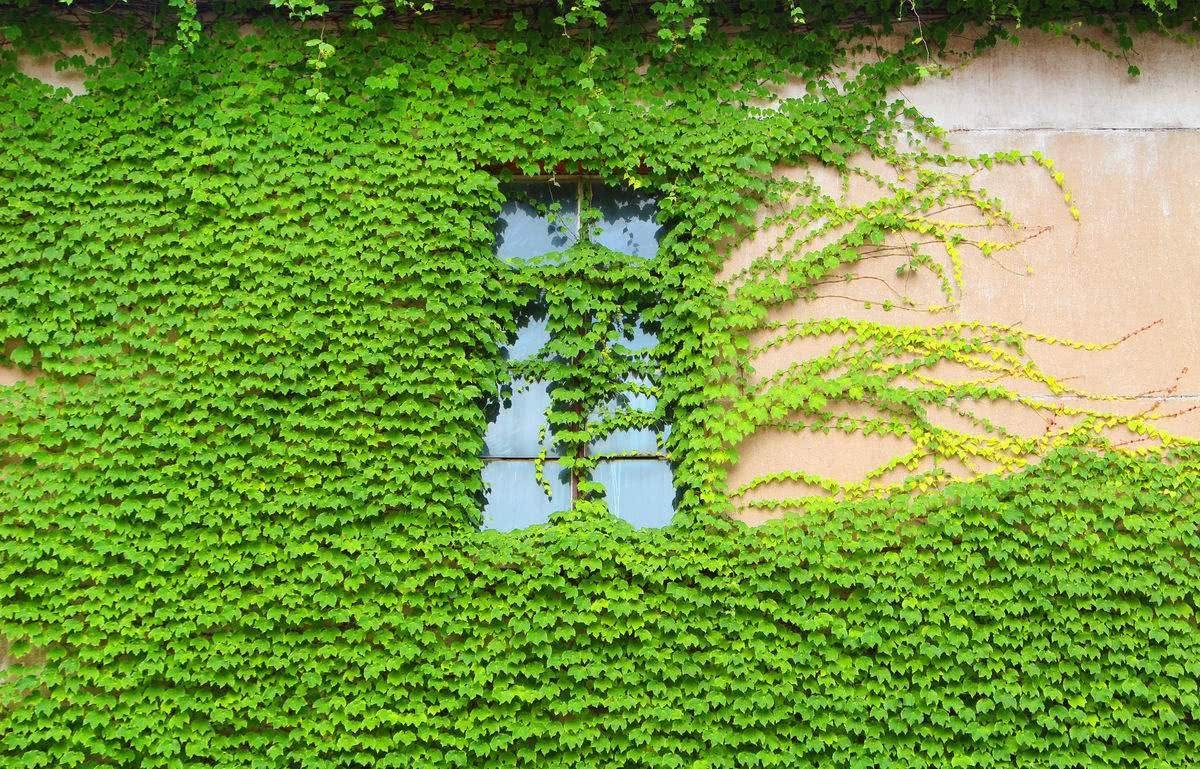
In rural areas, there is no shortage of all kinds of wild flowers and grasses. For most farmers, weeds are basically useless, and when they grow in the fields they also hinder crop growth. The easiest thing to do is pull them out, or use herbicide to kill them. But as the saying goes, if you do not know it, it is a weed; if you know it, it is a treasure. If you understand its true uses, you will not look down on it. In rural areas all over the country, there is a very distinctive wild grass that likes to climb upward and grows specifically on all kinds of walls. You could say that however tall the building is, it can climb that high. Because of this, this wild grass has a nickname, "flying centipede." Most people have seen it, right!
In fact, the name "flying centipede" is very fitting, because like a centipede, it not only has many "feet," but also has a certain toxicity. Its "feet" are the "adventitious roots" and suckers on its rhizomes. Its adsorption ability is especially strong, and it can attach to smooth cement wall surfaces. If there are cracks in the wall, its roots will take the opportunity to penetrate deep into the cracks, making the gaps slowly grow larger. If repairs are not made in time, it may cause the wall to crack and the house to collapse. In addition, its roots also secrete an acidic substance that has a certain corrosive effect on limestone, and of course it is also somewhat toxic to the human body.
After reading all this, many people have recognized it: this "flying centipede" is actually what we often call "creeping ivy" (Boston ivy). I remember learning a text in childhood, written by Mr. Ye Shengtao"The Feet of Boston Ivy", which greatly praised Boston ivy:"When a gust of wind blows past, the leaves on the whole wall ripple like waves, and it looks very beautiful."What is described here is the greening and covering effect of Boston ivy. Because its leaves are large and dense, and its growing season is mainly spring and summer when the weather is hottest, covering a wall surface can effectively block the scorching sun and lower indoor temperatures. At the same time, it also has the effect of reducing noise and absorbing dust. Therefore, Boston ivy can be seen on many urban greening walls.
But as mentioned earlier, Boston ivy will get into wall cracks and damage the wall. Why do some people still regard it as a treasure and use it for greening? In fact, this worry is unnecessary. First, Boston ivy is not an evergreen plant in all four seasons; it withers in autumn and winter. At this time, you can observe whether there are gaps in the wall surface. If there are, then even without Boston ivy, they need to be repaired in time. Second, houses today are built relatively solidly, unlike the earthen houses of the past, so there is no need to worry that the wall will be damaged.
Finally, it should be said that the rhizome of Boston ivy is also a kind of Chinese medicinal material, with the effects of promoting blood circulation and dredging collaterals, dispelling wind and relieving pain. Among the people, it is often used to make medicinal liquor, and applied externally to treat rheumatic joint pain, bruises and injuries, and other conditions. Because it has a certain toxicity, it is generally not recommended for internal use. If it needs to be used, please consult a doctor.