This wild fruit looks like a cherry but cannot be eaten; it is a folk remedy for itchy skin.
In the past, as soon as summer came, it was the time for rural children to run wild, because in summer, all kinds of wild fruits in the countryside and mountain forests began to bear fruit or ripen one after another. For the rural children back then, these wild fruits were the most delicious snacks. I believe many rural children born in the 1980s and 1990s must have experienced this. However, not all wild fruits can be eaten. Some wild fruits may look nice, but they cannot be eaten. Below, the author will introduce one such fruit.
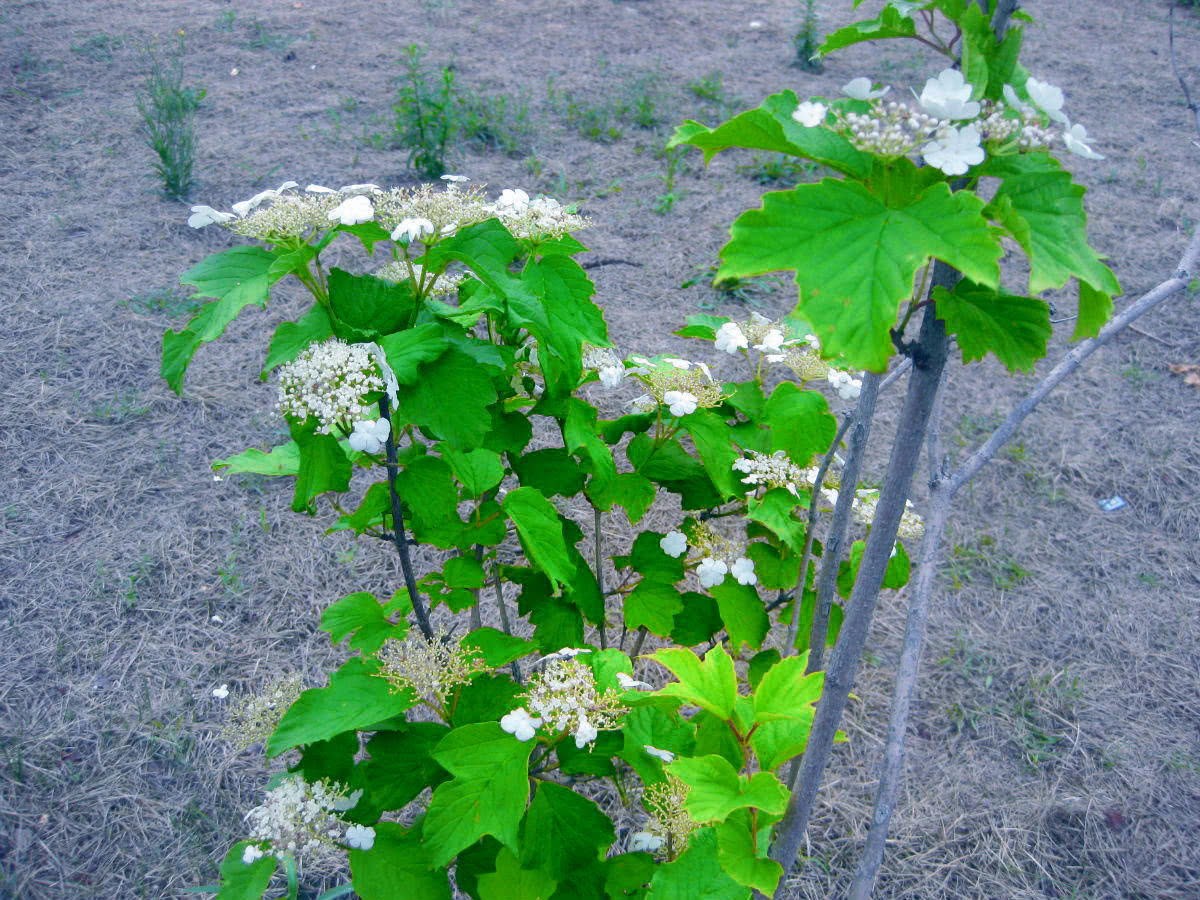
It is now mid-July, and the weather is getting hotter and hotter. Many friends must be hiding at home with the air conditioner on, eating watermelon, and playing on their phones. However, the author still went into the mountains to explore quite a few wild plants. The wild plant to be introduced today has a rather interesting name: "Jitiao tree."
The Jitiao tree is mainly distributed in rural areas of China's Heilongjiang, Jilin, Liaoning, Hebei, Shanxi, Shaanxi, Henan, Shandong, Anhui, Zhejiang, Jiangxi, Hubei, Sichuan and other provinces and cities. Many friends may never have seen it, because this tree mainly grows beside mountain streams or under forest at altitudes of about 1000 m to 1500 m.
Strictly speaking, this Jitiao tree is not worth much, at least that is the case in the author's hometown. It grows very short, generally about 1.5 m tall. The author remembers that in the past, when often going into the mountains with parents to cut firewood, the Jitiao tree was frequently cut, because it is not tall and is relatively easy to cut.
However, the Jitiao tree still has something unique: its flowers are very beautiful, and after July it also bears wild fruits. These wild fruits are also very tempting, shaped like cherries. The author remembers that in childhood, quite a few rural children in the village secretly picked them to eat because the fruits looked nice, but found that they could not be eaten, so they stopped liking it and even helped the adults cut it down.
However, the author recently discovered that this Jitiao tree fruit is still something rare, and now in the author's hometown it even sells for 20 yuan per jin. So what is the use of the Jitiao tree fruit?
According to an old farmer friend in the village who told the author, although this Jitiao tree fruit cannot be eaten, it has very good medicinal value and is a folk remedy. Boiling the Jitiao tree fruit in water and drinking it, or directly pounding it into juice and taking it, can be used to relieve cough and treat acute and chronic bronchitis, cough and other symptoms.
The author also consulted relevant materials. According to the records in "Zhonghua Bencao," not only the Jitiao tree fruit has medicinal value, but its branches and leaves also have medicinal value. Among them, the branches of the Jitiao tree have the effects of dredging meridians and activating collaterals, detoxifying and relieving itching, and can be used to treat rheumatoid arthritis, soreness and pain in the waist and legs, and traumatic injuries, while the leaves used externally can treat boils, tinea, itchy skin and other symptoms.
So everyone should not underestimate this tree. Its value is actually quite high; it is just that many people do not know about it. Of course, the author is only here to "popularize science" about the Jitiao tree, and does not recommend using it casually.
Dear friends, do you know about the "Jitiao tree"? Did you secretly eat this wild fruit, the "Jitiao tree fruit," when you were children? You are welcome to leave a message and share!