Peace lily root rot in water culture hard to cure? Once you learn the method, even neighbors come asking for advice
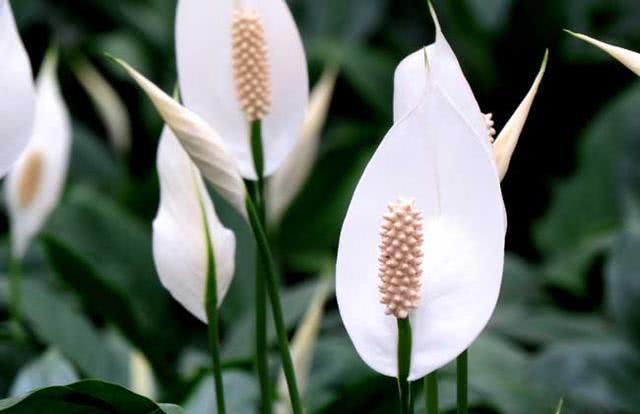
Water-cultured peace lilies are easily called "lazy flowers" because they are convenient and easy for daily care. But if root rot appears on water-cultured peace lily roots, it is often because people have done too little maintenance. So why does it rot? How do you solve this troublesome root rot problem?
Causes of root rot in water-cultured peace lilies: Rot occurs because of bacteria and the like, and water-cultured plants need their water changed. When first placed in water, there are no water roots yet; after the roots grow, the water needs to be changed every 7 days to half a month.
1. The cause of water accumulation
Although water-cultured peace lilies like staying in a humid environment, we cannot let water accumulate in the pot during soil cultivation. If the pot holds water, it easily soaks the roots. In addition, always observe the bottom of the tray to prevent a large amount of water from entering, which will also cause root rot. When water-culturing a peace lily, note that the roots should not be completely submerged underwater, as it may die from lack of oxygen. It should be partly exposed above the water surface to breathe, with only about 1/3 of the water surface.
Treatment methods:
When rotten roots appear, we take the plant out of the pot and remove the rotten roots and leaves, then soak them in a special plant disinfectant and place the roots in loose soil. If all the peace lily roots are rotten, we use the water culture method to induce new roots, and then replant them in a pot after the new roots grow.
2. The cause of poor water quality
When we plant and cultivate water-cultured peace lilies, the issue of water and its effects must be paid attention to. If the water quality is too poor and the water is usually not changed frequently, this will encourage a large amount of green algae and bacterial growth, consume a large amount of oxygen, and make the roots rot. When changing the water or directly using mineral water, you must also use tap water that has been left standing for a few days. For those that have just started growing roots, we cannot add nutrient solution; it needs to be added after the roots grow. Once the water goes bad, you can change it once every one or two weeks after growth. In addition, if a large amount of harmful bacteria is produced in the container, the roots are also prone to rot.
Treatment methods:
We first clean the container, clear away the green algae or rotten leaves on the bottle wall, then add potassium permanganate solution to it. Remove the rotten roots and old roots of the peace lily, leaving the white roots, and place them in a special plant disinfectant.
3. Improper fertilization
When growing peace lilies in soil, they like fertilized soil. When the soil lacks a certain amount of fertilizer, their growth becomes slower. Many flower friends see the slow growth of the peace lily and blindly fertilize frequently, causing overfertilization and fertilizer damage. When we fertilize, we must fertilize according to the fertilizer instructions. We must be careful not to apply too much thick fertilizer, to prevent the peace lily from burning its roots.
Treatment methods:
When we find that too much fertilizer has been applied and the concentration is too high, we can dilute the fertilizer in the soil by pouring in a large amount of water, to achieve the purpose of diluting the fertilizer.
If you find the roots are bad and rotten, what should you do?
1. Pick out the old roots and rotten roots and clean them, cut them off with a relatively fast small knife, leaving only the white roots, add disinfectant, then ventilate for one to two days to dry.
2. Remove yellow leaves, old leaves, and rotten leaves, fix the red-brown roots with ceramsite, and the water level can be at the bottom of the roots. For now just change the water, do not add VC, and let it ease up.
3. Wait until the roots disappear, drip in 2 drops of culture nutrient solution, and wait in the dark for new water roots. It is best to let tap water sit for a few more days, change the water about every 3-4 days, and if there is green moss around the glass container, clean it off.
To prevent water-cultured peace lily leaves from drying out, during our daily care we should spray the leaf surface with fresh water to keep it moist. It is best to spray once a week after fertilizing, which can provide nutrients to the leaves and enhance their surface gloss, and in winter it can also have a certain cold-resistant overwintering effect.