In the heat of summer, a clivia blooms into a ball of flowers, with 40 flowers growing from a single bud
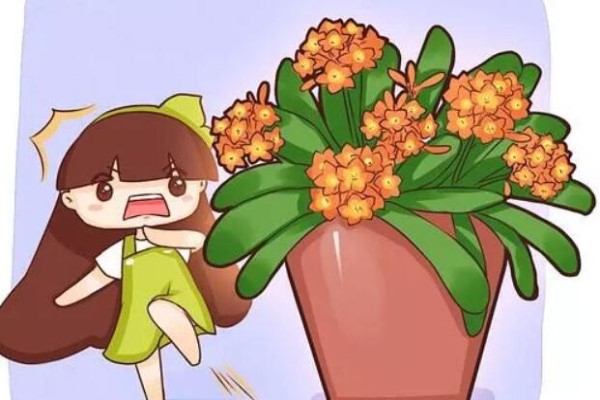
Large-flowered clivia
Everyone is familiar with the large-flowered clivia; it is the most common clivia variety, with large flowers and vivid colors, ranging from orange-yellow to deep red.
When the large-flowered clivia blooms, a single bud produces 20 to more than 40 flowers, clustered together like little trumpets, rivaling hydrangeas!
Weeping clivia
Weeping clivia has slender leaves, and each small flower hangs down like a bell, as if bowing its head and smiling at people.
Weeping clivia also comes in many colors, including pale yellow, orange-yellow, orange-red, and more~
Swamp clivia
Swamp clivia is known for being tall, and its inflorescence generally has 15-40 small orange-red tubular pendulous flowers, with green pointed petals in front of the flowers.
Swamp clivia is easier to keep alive than ordinary clivia, especially in summer, when other clivias grow slowly or even stop growing, it keeps pushing out new leaves.
Yellow-flowered clivia
Yellow-flowered clivia has narrow, slender leaves and blooms yellow flowers. It is a relatively precious variety, and its pale yellow petals are very round and lovely.
Garden clivia
Garden clivia has a very long flowering period, blooming from late autumn all the way into winter. Its colors range from yellow to red, and the tips of the flowers are green and droop slightly, but not as heavily as the weeping clivia.
How to extend the flowering period of clivia?
Conditions for blooming
From seedling to blooming, clivia generally takes about 3 years, and the number of leaves must reach more than 14. Every year from July to August is the flower bud differentiation period, and from blooming to falling flowers it can last 15~20 days.
Tips for extending the flowering period
1. Moderate fertilizer control: after the clivia flower buds slightly open, stop topdressing. Although fertilizing will make the flowers bloom better and more vividly, growing too fast will also make the flowering time especially short.
2. Shade and cool down: it is best to maintain a temperature environment of 25~30 degrees, avoid direct strong light, and keep a few hours of scattered light every day. If the temperature is too high and the light is too strong, the flowers are prone to early aging!
How to care for clivia in summer?
In summer, clivia enters a semi-dormant state. In summer, it must be kept indoors, and an air-conditioned environment is best.
1. Loosen the soil
Clivia fears stuffiness. In summer, when the soil is dry, you can loosen the soil. Insert a bamboo strip or small garden trowel diagonally against the inner wall of the pot, hold the bamboo strip steady with one hand, and turn the flower pot with the other hand; one full turn is enough.
Note: do not insert the bamboo stick too deep; loosening only the surface soil is enough!
2. Watering
In summer, the greatest fear is watering too much and causing root rot, so be sure to water only when the potting soil is completely dry. Do not water if it is not dry, and make sure there is no standing water on the surface of the pot.
Clivia has well-developed fleshy roots that can store a certain amount of water. If you are worried about lack of water, you can spray water mist around the plant every day.
3. Light
Clivia likes weak light and cannot tolerate high temperatures. Direct strong light will scorch the leaves. In summer, remember to shade it and protect it from heat, and keep it in a bright place with scattered light.
4. Fertilizing
If the temperature at home is low and the clivia is still growing, you can apply a dilute soybean cake liquid fertilizer once every 20 days. Do not fertilize if the potting soil is not dry. After it goes dormant, stop fertilizing.
Flower lovers, what variety is your clivia?
How is it growing?
Share your photos with everyone!