The ugliest fruit in the world: many people dare not eat it, yet it is called the "fruit of memory"
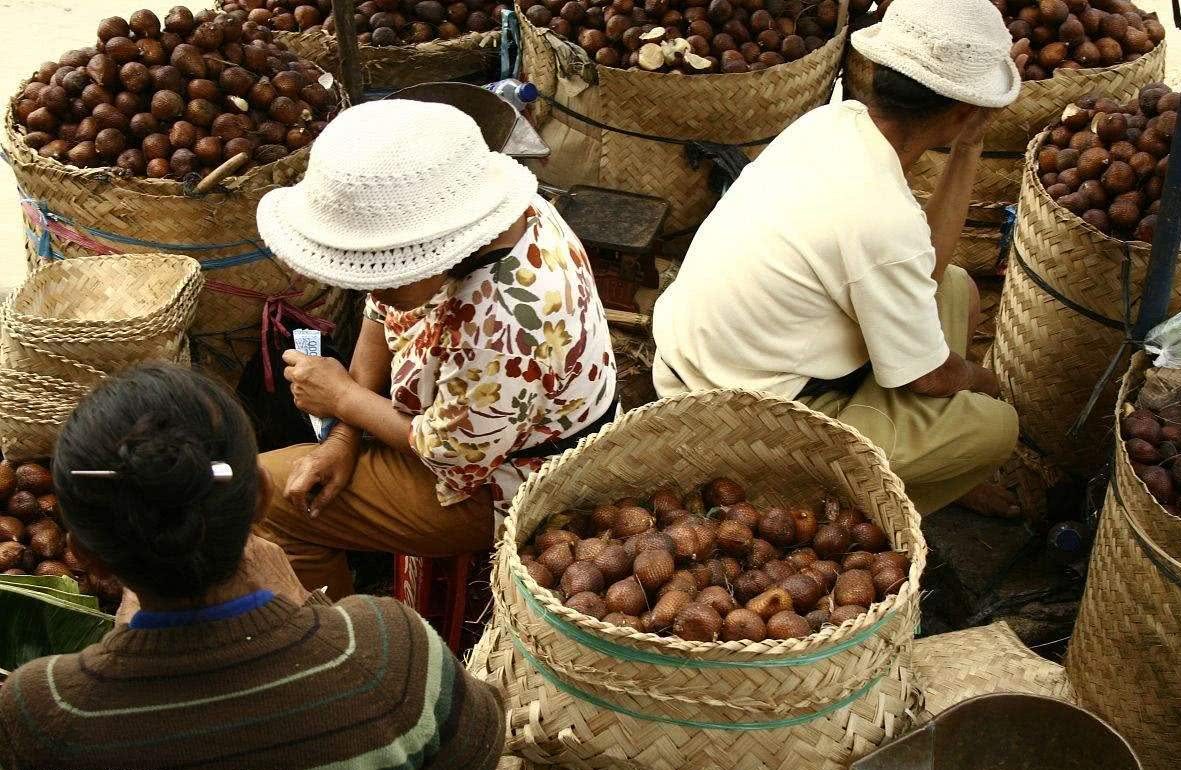
Many people like to eat fruit, and usually good-looking fruit is more popular, such as seasonal fruits like strawberries, bayberries and large cherries; no matter how expensive they are, they still attract people to buy them. Clearly, "judging by looks" exists everywhere. Good-looking fruit never worries about sales, but what about ugly fruit? In our daily lives, we seem to rarely see very ugly fruit either, but in fruit-rich Southeast Asia and Yunnan in China, there is a fruit that looks extremely ugly, and some people think it may be the ugliest fruit in the world. At first sight of its appearance, many people feel a little afraid and dare not eat it, but this fruit is actually very nutritious, and in Indonesia people call it the "fruit of memory."
The surface of this fruit looks like snake scales and is fairly hard; when the skin is peeled off, the sound feels like peeling a snake's skin, and timid people do not even dare to touch it. This fruit is the famous Southeast Asian fruit, salak (snake fruit). It is only ugly on the outside; in fact, the flesh inside is like that of an apple, sour with sweetness and crisp in texture. But not everyone likes this flavor. Some people think it smells sour and rank, like the sour smell of fermenting distillers' grains, and dare not eat it once they smell it. Yet some people especially like this flavor, such as Indonesian girls, who really enjoy eating salak.
Indonesia is the main producing area of high-quality salak, with about more than 20 different types of salak, including sweet salak suitable for eating raw and ordinary salak suitable for pickling and brewing wine. Salak contains a large amount of pectin, which can beautify the skin and nourish the face. Indonesian girls often eat salak and regard it as an excellent fruit for beauty and skincare. In addition, salak's potassium content is quite high among fruits; it can not only maintain the body's electrolyte balance but is also very beneficial to the brain, making it very suitable for people who use their brains for long periods, hence its reputation as the "fruit of memory."
However, it should be noted that salak is relatively high in calories, and people with symptoms such as cough or excess internal heat should try not to eat it. In China, salak is considered a rare fruit, mainly cultivated sparsely in western Yunnan and various parts of South China. Because it is not a mass-market fruit and not many people eat it, it is mainly sold in high-end fruit shops and some large supermarkets, so its price also follows a high-end route, about 20-plus yuan per jin.
Dear readers, have you ever eaten salak? If you want to taste what it is like, why not buy a few to try next time you see them? Maybe you will like them!