Great home gardening tips: Spray the leaves with beer for abundant nutrients and glossy, vibrant foliage
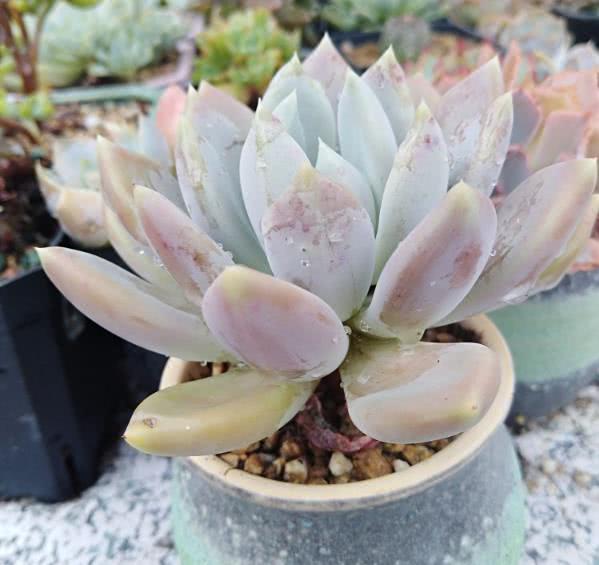
The beer commonly found at home is actually very useful. When you drink beer, save a little, dilute it and use it to wipe your plants, supplementing nutrients to the leaves, and your potted plants will surely become greener and glossier. Because beer is mostly brewed from grain, it is rich in many B vitamins, amino acids, phosphates, sugars, proteins and other substances, which are beneficial to plant growth. Moreover, beer also contains a lot of carbon dioxide, and carbon dioxide is essential for plant metabolism, so wiping leaves with beer can make them even greener and glossier!
Beer can also be used to water succulents, but there are many things to pay attention to. Dilute ordinary beer with water, ten parts water to one part beer, so you can safely spray the leaves and water the roots of succulents without worrying about harming them. Remember, you must not water plants directly with beer, and also remember not to frequently use diluted beer to water succulents as fertilizer, as problems are easy to arise. During the growing season of succulents, watering once every two months is about right. For succulents like Haworthia and Lithops, also once every two months, not frequently.
If you usually want to wipe leaves with beer, you must dilute the beer before using it. You can mix beer and water in a 1:10 ratio to make a solution. Use a clean soft cloth, dip it in the beer solution, and gently wipe the leaves to achieve the effect of foliar feeding. This method is suitable for plants with relatively large leaves, such as pothos, clivia, money tree, and Chinese evergreen.
You can choose a relatively soft towel, then sprinkle some clean water on it to make it slightly damp. Then hold the plant leaf with one hand, and with the other hand hold the towel and gently wipe along the direction of the veins on the leaf surface. Be careful not to use too much force, so as not to damage the cells inside the leaf. You can choose a relatively soft towel, then sprinkle some clean water on it to make it slightly damp. Then hold the plant leaf with one hand, and with the other hand hold the towel and gently wipe along the direction of the veins on the leaf surface. Be careful not to use too much force, so as not to damage the cells inside the leaf.
Finally, let's talk about succulents. Spring and autumn are the peak growing seasons for succulents, so you can water more. Winter and summer are the dormant periods for some succulent varieties, so watering should be moderate. In summer, watering should especially avoid the midday period when water temperature is relatively high. Do not pour water directly onto the leaf surface of succulents, especially when the temperature is relatively high at noon. After water remains on succulent leaves, the high temperature will scorch the leaves.
In winter, if you use tap water directly, the water temperature will definitely be relatively low. If you water succulents directly with it, the succulents cannot tolerate the low temperature and will wither. So you must keep a water storage container at home, and water the succulents when the water temperature reaches room temperature. Most succulent enthusiasts like to collect rainwater to water succulents. You can do this, but the prerequisite is that the air environment where you live must be very good. Rainwater on smoggy days is harmful and offers no benefit.
This is a gathering place for succulent plant enthusiasts, sharing succulent care tips. Welcome to follow and exchange ideas.