How to grow candytuft? Simple and easy-to-grow planting methods for candytuft
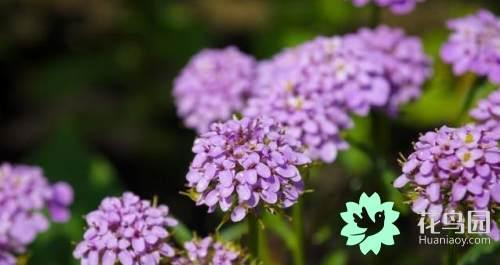
Candytuft flower meaning: pure and clean, rich, fresh fragrance, lasting. Passionate love.
Candytuft, also known as globe candytuft. Annual or biennial herbaceous plant. Flowers pinkish-white, fragrant, long flowering period. Suitable for potted plants, flower beds, flower borders and cut flowers. Sun-loving, cold-tolerant, intolerant of heat. Requires humus-rich, loose, well-drained loam. Propagated by seed. Seed germination temperature 20~25°C; germination time 7~10 days; suitable growing temperature 20~35°C; about 80 days from sowing to flowering. Seed germination viability can be maintained for 3 years; it has a taproot, so when transplanting, keep more soil around the roots and do not damage the roots, and do not expose the seeds to direct sun.
How to grow candytuft
1. Sowing
Choose a medium-sized flower pot, add drainage stones, then add two-thirds of the soil, scatter in the seeds, and cover with a layer of soil. During sowing, keep the soil moist every day. Seed germination temperature 20~25°C. Germination in about 7 days or so.
2. Watering
Candytuft likes a moist environment. After the seeds germinate, do not water too much, otherwise the seedlings can easily drown; once candytuft is growing steadily, water once every morning and evening in summer and autumn, and in drought and high temperatures the number of waterings can be appropriately increased each day. In spring and winter, keep the soil moist.
3. Light
Candytuft likes plenty of sunlight, so during the growing season it must be placed in a sunny spot outdoors.
4. Fertilizing
Too much fertilizer on candytuft can easily cause excessive growth of branches and leaves, while a lack of fertilizer instead leads to weak branches and yellowing leaves. So fertilize regularly; in the peak growing seasons of spring and summer, fertilize more, after autumn fertilize less, and in winter during the dormant period you may skip fertilizing. Generally, fertilizing once a month is enough.
5. Pruning
Candytuft is tolerant of pruning, has strong branching ability, and produces a large amount of new shoot growth. Therefore, after flowering, cut off the spent flowers, which can prolong the flowering period, and promptly cut off leggy branches, overlapping branches, crossing branches, radiating branches and diseased branches to avoid consuming nutrients.
Overall, candytuft is a plant that is attractive to look at, easy to grow, requires only rough management, and has beautiful flower colors.