How to Create a Beautiful Garden with Houseplants
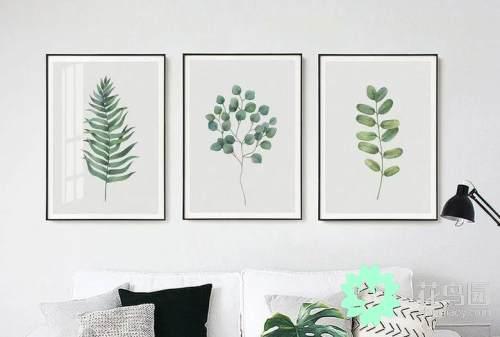
There are three secrets to elevating your home's style
Raw wood, fabric, greenery
Raw wood creates a fresh, natural home style
Fabric softens the overall look
Greenery brings vitality and full energy
When the three elements are combined
It feels like living in a cozy, relaxed Scandinavian city
But with so many green plants
Which ones placed at home have the most Instagram-worthy look?
Today let's introduce various houseplants
Fiddle-Leaf Fig
Moraceae, Ficus genus, native to the lowland tropical rainforests from Sierra Leone to Morocco in West Africa. Friends who enjoy growing flowers should all know the three great trees for the home: Fiddle-Leaf Fig, Dragon Tree (Dracaena), and Bird of Paradise.
The Fiddle-Leaf Fig loves sunlight very much, so be sure to give it the brightest spot in your home. Don't believe those home photos with it placed indoors far from windows; nine out of ten are staged. Without light for a long time, it will drop leaves in dark, damp conditions.
If your home has a balcony or a south-facing room, when the temperature is suitable, you can keep the window open for ventilation. Ventilation is truly, truly important for plants; it is often the decisive factor between life and death.
The Fiddle-Leaf Fig is a southern plant and is fairly heat-tolerant, with 23-35°C being most suitable, so in winter it should be placed in a warm spot, and it's best to overwinter indoors above 10°C. In summer the Fiddle-Leaf Fig has high water needs and likes fertilizer. Normally you should mist the leaves and not let it get too dry.
Decorative rating: ★★★★
Care rating: ★★★
Dragon Tree (Dracaena)
Agavaceae, Dracaena genus, native to Madagascar. The Dragon Tree is the kind of plant whose form matters more than its leaves; its trunk is actually formed by leaves growing in layers, aging, peeling off, and accumulating.
The Dragon Tree's form is endlessly varied, with a masculine, artistic beauty, like a quiet handsome man in a dry, sandy, gravelly environment (but actually it likes humid environments...).
It belongs to the Dracaena genus and has habits similar to Dracaena, so it likes warm, humid environments with ample light. Many people, because its plant form is so beautiful, always like to place it in the living room for viewing, which often results in slow growth and its colors gradually fading.
Its water needs are not as great as the Fiddle-Leaf Fig's; as long as the soil isn't too dry, it's fine. However, when watering, be careful to water thoroughly, until you see water flowing out from the bottom of the pot. If not watered thoroughly, the roots will grow upward searching for water, and the main roots below won't be able to absorb moisture.
Decorative rating: ★★★★★
Care rating: ★★★
Bird of Paradise
Strelitziaceae, Strelitzia genus, native to South Africa. Bird of Paradise is also known as Strelitzia.
Generally speaking, the white-flowered Bird of Paradise has very large leaves and thick petioles. There is also the well-known orange-purple-flowered Bird of Paradise. The purple-orange-flowered one has smaller leaves and a shorter, more compact form, and the flowers it produces are the well-known orange-purple flowers used for cut flowers.
Strelitzia likes warmth and humidity; it's recommended to overwinter above 10°C to keep growing, and it goes dormant at around 5°C. It likes sunny spots, but avoid exposure to blazing sun in summer. It likes fertilizer; scatter a handful of slow-release fertilizer in the soil, and normally apply liquid fertilizer for foliage plants.
However, it's best not to repot Bird of Paradise casually; repotting easily stops its growth. Sometimes it takes half a year to establish in the pot, so friends planning to repot should prepare themselves mentally in advance.
Philodendron selloum (Tree Philodendron)
Araceae, Philodendron genus, native to Brazil, Paraguay and other places. A representative of "letting itself go," its crown can grow very large.
The leaves of Philodendron selloum can spread out freely in 360 degrees without rules, so you need to leave it plenty of space. It's not suitable for placing in a corner, so prepare in advance before buying. I found an image online of a sprawling Philodendron selloum so you can get a feel for it.
Large-leaved plants generally like water and fertilizer, so the soil should stay moist, while also maintaining drainage and aeration; overwinter indoors above 5°C.
It's said that Philodendron selloum is a shade-tolerant plant, but they still like a bit of sunlight; after all, shade tolerance and shade preference are two different concepts. Placed indoors, they all become crooked-necked, leaning heavily toward the light side, which looks quite unattractive. So give it a sunny spot, but avoid direct strong light, otherwise the leaves will scorch.
Decorative rating: ★★★★★
Care rating: ★★★★
Monstera (Swiss Cheese Plant)
Araceae, Monstera genus, native to Brazil, Argentina, and Mexico. Monstera can be said to be a success story of houseplants for many people.
The size and number of holes in Monstera leaves indicate whether the plant is mature or young. Many people buy one when it's small, with small leaves that haven't yet developed holes. Monstera grows aerial roots on its stems, which will find climbable objects on their own to root and grow, like this ↓
Note that it's in the same family as Philodendron selloum, with basically the same care methods, and both are said to be shade-tolerant plants, but they still face the sun, so if placed in a dark spot, they will also become crooked-necked.
Monstera also likes water and fertilizer, so the soil should stay moist. If water is consistently supplied, it grows beautifully, continuously unfurling leaves, very stunning.
Decorative rating: ★★★★★
Care rating: ★★★★★
Spineless Yucca
Agavaceae, Yucca genus, native to Mexico, Guatemala, and warm regions of North America. Grown at home it really boosts the ambiance, with a very exotic feel.
Spineless Yucca is very tough; it likes sun but is also quite shade-tolerant. Besides the balcony, it can also grow indoors, and it has a strong ability to absorb various harmful gases. So placing it in the bedroom is also an excellent choice.
Also, Spineless Yucca is not cold-tolerant, so it needs to overwinter in a warm indoor spot. If newly purchased leaves have black spots, you can spray some carbendazim, and the newly grown leaves will then be very healthy.
Its tree form is sturdy and elegant, full of masculine energy, with a tall shape suitable for large spaces with high ceilings. Because it's a relatively rugged type, problems like water shortage and pests/diseases are not easily noticed, so pay extra attention and observe carefully.
Rubber Tree (Ficus elastica)
Moraceae, Ficus genus, native to warm regions such as Brazil and Malaysia. It can be propagated by cuttings.
Actually, these two Rubber Trees were both cut from a small branch taken from a large Rubber Tree, split into two segments and propagated by cuttings. Many friends who have grown Rubber Trees should know that you just cut a small branch, cut it into two segments, propagate the roots in water, and without changing the water, roots will develop in about two months. Once the roots are well developed, you can plant them in pots, and you're done.
At this point, just quietly watch, and you'll find they have already lived up to expectations and begun to grow vigorously, rising higher node by node, and before long they'll look like little trees.
The Rubber Tree is in the same family and genus as the Fiddle-Leaf Fig; it likes a humid, warm climate with ample sunlight, just like its place of origin, and in winter it can only overwinter above 5°C. Their leathery-textured leaves are glossy and smooth, adding texture to the home environment.
Decorative rating: ★★★
Care rating: ★★★★★
Olive Tree
Oleaceae, Olea genus, native to Mediterranean countries, with Greece, Italy, Tunisia, and Spain as concentrated production areas. Adapted to the Mediterranean climate, it is a woody oil and fruit tree species.
The Olive Tree is also an indoor plant that has gradually gained popularity in recent years. Many people like the slender beauty of the olive, its gray-green narrow leaves, and its silver-gray textured branches are very beautiful; if paired with dark purple oval fruits, it would be even more beautiful.
The Olive Tree can tolerate brief low temperatures, but for long-term overwintering it still needs to be indoors. The Mediterranean has ample sunlight, so give it a bright location. Like most Mediterranean plants, the Olive Tree is not picky about soil; as long as the soil is loose and aerated, it can grow whether in siliceous soil or calcareous soil.
In spring and summer, you can place it outdoors or on the balcony to grow, and move it back indoors when winter comes. If you want to control its form, you can prune it appropriately, looking forward to more plump branches in spring. However, home-grown ones don't easily bear fruit; it requires a certain number of years.
Decorative rating: ★★★★★
Care rating: ★★
Eureka Lemon
Rutaceae, Citrus genus, native to the United States. The lemon family has many varieties, and Eureka Lemon is one variety of lemon.
Actually, a lemon tree can't really be considered an indoor plant, because it needs very ample sunlight and ventilation. But because it likes warmth, the fragrance glands on its leaves secrete a fresh lemon scent, it can be used to make Tom Yum soup, and it can also bear lovely fruits, adding charm, so many people like to grow it indoors.
The lemon family has many varieties, and Eureka Lemon is one variety of lemon. The fruit is pale yellow, relatively thick and coarse, with a strong aroma, plenty of juice, and high citric acid content.
If you want to grow it indoors, you must provide ample sunlight, water, and ventilation, otherwise it will affect flowering and fruiting. However, if it successfully bears fruit, it will be very rewarding.
King Coconut (Indoor Palm)
Arecaceae, palm genus, native to Madagascar. Its branches and leaves are neatly arranged, the stem is smooth, and the color is more vivid.
Among indoor palm plants, compared with Areca Palm and Hawaiian Palm, the King Coconut is more ornamental. Its branches and leaves are neatly arranged like feathers, the stem is smooth and glossy, and the color is even more emerald green.
But like most palm plants, it likes a growing environment with ample water, is relatively not cold-tolerant, and grows well under 60% shade. If the balcony light is too ample, many leaves will be sun-yellowed; moving it back to a diffused-light area will improve it somewhat.
Secondly, the King Coconut's crown is relatively large and radial, so think in advance about where to place it at home before buying.