When traveling abroad, never touch these plants
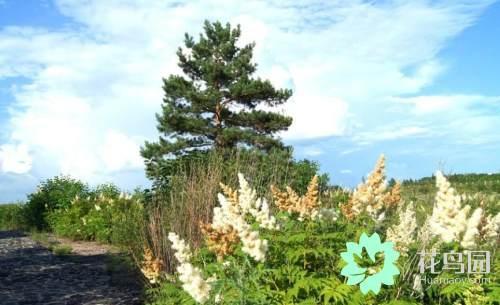
When traveling abroad, you will always encounter many plants you have never seen before, and sometimes you will be curious and take a look, but! These plants actually harbor hidden dangers. Keep in mind these ten poisonous plants on Earth, and never touch them!
1. Castor bean
It looks harmless, but it is actually fatally poisonous!
If you have eaten castor oil, you may be surprised to learn that castor beans contain one of the most toxic substances in the world: ricin. Ricin is an extremely toxic protein, and the ricin contained in a single castor bean is enough to kill an adult within minutes.
2. Water hemlock
A beautiful appearance, a highly toxic nature.
Water hemlock, scientific name "Cicuta douglasii", is listed by the United States Department of Agriculture as "the most toxic plant in North America." Water hemlock contains cicutoxin, a toxin that can disrupt the central nervous system. Water hemlock is widely distributed and is native to North America; it belongs to the Apiaceae family. Water hemlock averages 0.6-1.3 m in height and can grow to 1.8 m tall. Its odor is unpleasant, it is poisonous, and its toxicity is even greater than that of poison hemlock.
3. White snakeroot
When herbivores eat it, it causes a disease called "the trembles."
White snakeroot is a perennial plant, and every part of it contains tremetol (also known as "white snakeroot toxin"). This is an unsaturated alcohol that can cause muscle tremors in livestock and eventually kill them.
4. Monk's hood
Do not be fooled by its beautiful appearance!
Monk's hood is a slender, upright, and poisonous perennial herbaceous plant. It grows in northern Europe, produces purple flowers, and is poisonous in all parts, especially the roots and leaves.
5. Brugmansia
The most terrifying thing in the plant kingdom!
Brugmansia, also known as "angel's trumpet," is the most terrifying thing in the plant kingdom and the one most likely to turn people into zombies. This plant produces beautiful, drooping trumpet-shaped flowers. It is native to South America and contains a series of powerful toxins, atropine, hyoscyamine, and scopolamine. Scopolamine can be absorbed by the human body through the skin and mucous membranes.
6. Oleander
It is very common all over the world, yet it is one of the most toxic plant species.
The petals, leaves, and fruit of oleander all contain cardiac glycosides. To some extent, this substance has medicinal value, but if someone accidentally eats any part of the plant, it is very likely to stop their heartbeat. Under normal circumstances, when people find this plant, they often let down their guard because its petals are bright and beautiful, but little do they know that this highly toxic plant may very well kill them.
7. "Bad woman"
"Bad woman" is a poisonous herb, with dark green tooth-shaped leaves and five white petals like earlobes. "Bad woman" is mainly distributed in southwestern Mexico and is covered in sharp spines. This plant is more likely to plunge those who come into contact with it into agony rather than poison them.
These fruits that contain toxins below should also be carefully avoided by mistake!
1. The fruit of nux vomica
The seeds of nux vomica are toxic and mainly contain strychnine (also known as strychnine) and various other alkaloids.
2. Berry yew
This yew tree looks very ordinary, and its bright red berries are non-toxic, but its bark and seeds are famous for killing large numbers of livestock and for being fatal to humans. Symptoms of mild poisoning include diarrhea, headache, dizziness, muscle weakness, stomach pain, slight trembling, and dilated pupils.
3. Jatropha fruit
Jatropha fruit is a highly toxic plant. This plant is commonly found in Mexico, Central America and South America, Asia, and Africa, and it can also be seen in the United States, such as southern Florida and Hawaii. Eating this fruit also has hallucinogenic effects. Each seed contains 50% oil, and this oil is even more toxic than castor oil. This toxin inhibits the synthesis of proteins in the human body and ultimately leads to death.
4. Indonesian black fruit
This little-known tropical fruit grows on tall trees and is toxic to people because it contains a certain dose of hydrogen cyanide, earning it the title of "the fruit of loathing." Symptoms of Indonesian black fruit poisoning include coma, headache, shortness of breath, dizziness, confusion, and weakness. Eating too much can cause cardiac arrest and even death.
5. European spindle
European spindle provides food for birds and insects. This beautiful tree can be found in woodlands, but no matter how tempting it is, you must not eat its fruit. Its tree and fruit both have a laxative effect and were once used to combat severe indigestion. A few drops of its sap will empty your stomach and intestines! If a larger dose is consumed, it will cause extremely severe stomach pain. Other symptoms of spindle poisoning include nausea and diarrhea.
6. Manchineel
The white sap of the manchineel is highly toxic and will cause the skin to show symptoms as if it had leprosy, which is why it is also called "horse madness spurge tree."
7. Ackee
If ackee is eaten before it is ripe, it can cause vomiting or seizures, and even be fatal. Therefore, people can only enjoy this delicious and nutritious food after the fruit skin turns bright red and the black toxic seeds have separated from the fruit.
Here, everyone is reminded that during overseas study, work, and travel, do not bring animals and plants or their products back into the country, and do not casually pick plants with unknown characteristics or their seeds. If poisoning occurs due to accidentally eating or wearing toxic plants, you should immediately seek medical treatment at a local hospital to avoid irreversible consequences.