How to care for potted flowers in summer? A summary of practical care tips
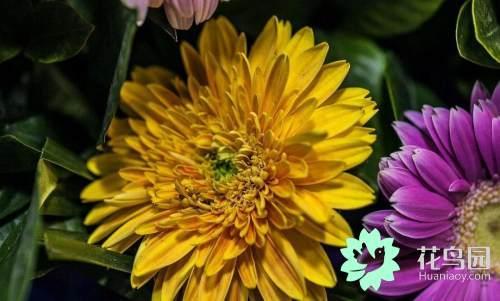
Summer has high temperatures, strong light, and plenty of rain, making it a vigorous growing period for flowers. How to keep flowers at a suitable temperature, so they can receive sunlight while also getting shade; have plenty of water without suffering from waterlogging; apply light fertilizer frequently, and ensure ventilation and light penetration - these are all key to summer care of potted flowers. Summer care of potted flowers must be carried out according to differences in ecological conditions and variety characteristics, treating each flower differently and adapting to local conditions, so that the care is appropriate and the potted plants grow lush leaves and abundant flowers.
Light.Chinese roses (Rosa chinensis), tree peonies (Paeonia suffruticosa), osmanthus (Osmanthus fragrans), jasmine (Jasminum sambac), poinsettias (Euphorbia pulcherrima), pomegranates (Punica granatum), etc. should be placed in places with strong sunlight and long sunshine hours; chrysanthemums (Chrysanthemum morifolium), dahlias (Dahlia pinnata), white orchids (Michelia alba), Chinese hibiscus (Hibiscus rosa-sinensis), fuchsias (Fuchsia hybrida), etc. should be placed in semi-shaded places with 50% shade; while orchids (Cymbidium spp.), camellias (Camellia japonica), rhododendrons (Rhododendron spp.), gardenias (Gardenia jasminoides), begonias (Begonia spp.), banana shrubs (Michelia figo), clivias (Clivia miniata), calla lilies (Zantedeschia aethiopica), asparagus ferns (Asparagus setaceus), Chinese evergreen (Aglaonema spp.), spider plants (Chlorophytum comosum), hostas (Hosta spp.), etc. fear high temperatures and sun exposure, and can be placed in places with 80% shade and a little sunlight or diffused light.
Temperature.Flowers generally have their growth inhibited when temperatures rise above 30°C. For example, the suitable temperature for begonias is 16-21°C; when exceeded, the stems and leaves will wither, and even the tubers may rot. Cyclamen (Cyclamen persicum) prefers cool conditions, with a suitable temperature of 15-20°C; excessive heat will cause leaf drop and dormancy, delaying flowering, so it must be placed in a cool, shaded place.
Humidity.In summer, most flowers have high transpiration intensity, requiring high humidity and more water; however, plant size, physiological characteristics, and climate changes all affect the degree of water requirement. Flowers that are dormant or semi-dormant in the heat of summer, producing no leaves and no flowers, such as tulips (Tulipa gesneriana), fuchsias, cyclamens, geraniums (Pelargonium hortorum), wax begonias (Begonia semperflorens), and narcissus (Narcissus tazetta), should be watered less; while for some flowers that prefer shade and moisture, such as orchids, clivias, camellias, and calla lilies, besides watering, you can also spray water on the branches and leaves and sprinkle water on the ground to create a humid microclimate. Overall, herbaceous plants need more water, woody plants need less; large-leaved, soft-leaved, smooth and hairless plants need more water, while small-leaved, leathery, waxy-layered plants need less; those growing vigorously in summer need more water, while dormant or semi-dormant ones need less. Never water at noon, and the water temperature must be close to the soil temperature. While preventing drought, you must also guard against waterlogging; although rain benefits flower growth, too much causing waterlogging will rot the roots.
Fertilizing.Summer is a vigorous growth period for flowers, so you must pay attention to "applying light fertilizer frequently." It is best to fertilize in the evening; loosen the soil before applying, and water the next morning after applying. Never fertilize under the midday sun, on heavy rainy days, or when the potting soil is too wet; avoid applying raw fertilizer, and do not let the fertilizer liquid splash on stems and leaves. For jasmine and similar plants, liquid fertilizer can be slightly more concentrated; potted flowers that are dormant, have poor roots, or grow poorly should not be fertilized; generally, flowers should not be given excessive nitrogen fertilizer. You can use a decomposed liquid made by mixing rice-washing water, rotten eggs, animal matter, etc., to supplement the deficiency of phosphorus and potassium fertilizers.
Pruning and shaping.Flowers tend to grow leggy in summer. During the growth process, diseased and withered branches, as well as excess branches, leaves, flower buds, and fruits, should be pruned and removed in a timely manner. It is advisable to keep only one fruit per fruiting branch, which can make the fruit plump and increase ornamental value; proper pruning and shaping helps the formation of new buds and new leaves, the accumulation of plant nutrients, ventilation and light penetration, and can reduce the breeding of pests and diseases; you should also pinch back in a timely manner to control branch length, promote branching, and increase flower buds.
Care of summer-dormant flowers.Flowers such as clivias, tulips, geraniums, narcissus, fuchsias, freesias (Freesia refracta), calla lilies, and cyclamens are summer-dormant flowers. During dormancy, their growth activity is weak, metabolism is low, and energy consumption is minimal. The main cause is the inhibition of flower growth by high temperatures above 30°C. The measures to take are: place them under a shade shed, stop using quick-acting fertilizers, water less or not at all, and protect them from sun exposure or rain; for some bulb flowers such as cyclamens, narcissus, and freesias, after the above-ground stems and leaves wither and they enter summer dormancy, you can dig up the bulbs and place them in a ventilated, dry, cool place without direct sunlight, covering them with slightly moist coarse sand for storage.