Once this potted flower blooms, a single plant can fill the whole summer with fragrance
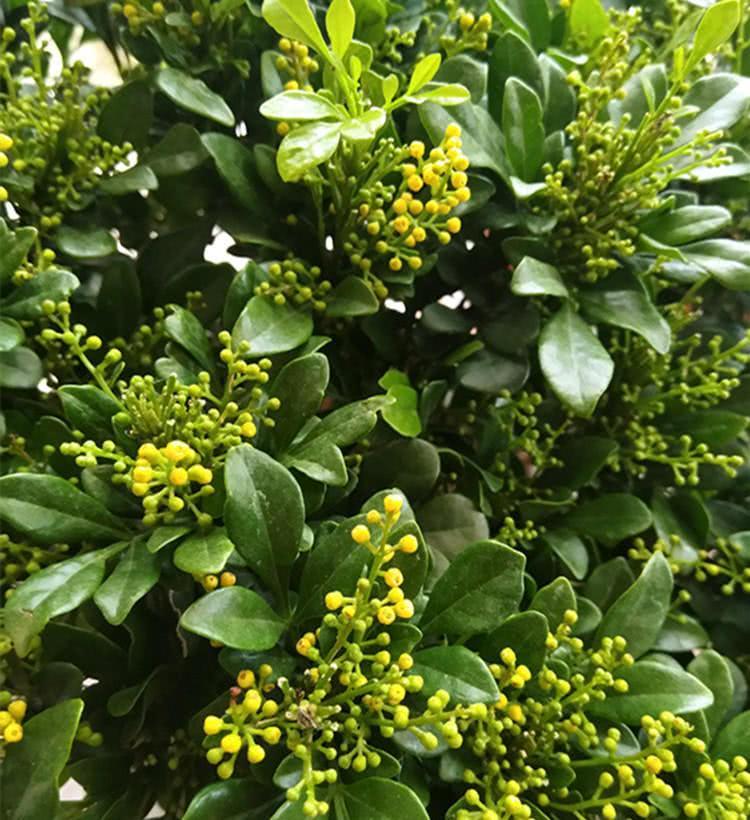
Aglaia odorata can decorate a room and beautify a balcony. When it blooms, its rich fragrance is alluring; it not only freshens the air but also brings you a good mood. Aglaia odorata is also an excellent ornamental tree for courtyards. So how do you grow Aglaia odorata well in summer and let its fragrance drift through the whole summer?
Aglaia odorata likes light but dislikes direct strong sunlight. It is slightly shade-tolerant and likes a warm, humid climate, with poor cold hardiness; it can only be grown outdoors and overwinter in South China and Southwest China. It likes deep, fertile, slightly acidic soil and is intolerant of saline-alkaline soil. Aglaia odorata fears waterlogging yet is not drought-tolerant. It tolerates pruning.
After Aglaia odorata is moved outdoors in spring, it should be placed in a spot with ample sunlight to encourage bud formation. After the branches sprout new shoots, water should be controlled appropriately, keeping the potting soil slightly dry to suppress leggy growth; this is the main measure for controlling branches and promoting flowering. Oversoggy potting soil and poor ventilation and light transmission will both lead to leggy branches and leaf and flower drop, so when watering, follow the principle of watering when dry and stopping when wet, and water frequently rather than heavily. In hot seasons, spray water on the leaves and the surrounding ground every day to increase humidity and lower the temperature.
In addition, during the growing period, apply a general-purpose organic liquid fertilizer for flowering plants that is biased toward phosphorus and potassium once every 7-10 days, diluted 500 times and poured at the roots. In the early stage of flower bud formation, it is also necessary to spray the leaves 1-2 times with potassium dihydrogen phosphate fertilizer solution at a concentration of 800-1000 times.
When growers in the north plant Aglaia odorata, the potting soil tends to become alkaline, which is also the main cause of poor growth and premature aging and death of Aglaia odorata. Therefore, during the care period, apply 500-times diluted ferrous sulfate once a month. In autumn, water should be controlled and fertilizer stopped. With proper water and fertilizer supply, Aglaia odorata will have abundant flowers and lush leaves and a rich fragrance.
Pruning is very important for potted Aglaia odorata. Shaping and pruning should begin from the seedling stage, cutting above 15cm from the main trunk to encourage lateral buds to sprout and develop into numerous branches, cultivating a full crown shape. After flowering, moderate pruning is needed, removing overly dense, thin and weak branches, as well as leggy and overly long branches that affect the crown shape.
Aglaia odorata needs repotting once a year. When repotting, remove part of the old soil and cut off withered old roots. In the south, Aglaia odorata is grown both in the ground and in pots; in the north, it can only be grown in pots. Generally, it is moved indoors in early October to overwinter. If the room temperature is too high, it will affect dormancy and often cause leggy branches, which is also an important reason why Aglaia odorata does not bloom. Room temperature should be controlled at 10-12°C to keep its terminal buds from sprouting.