For roses to bloom well, fertilizer management is key
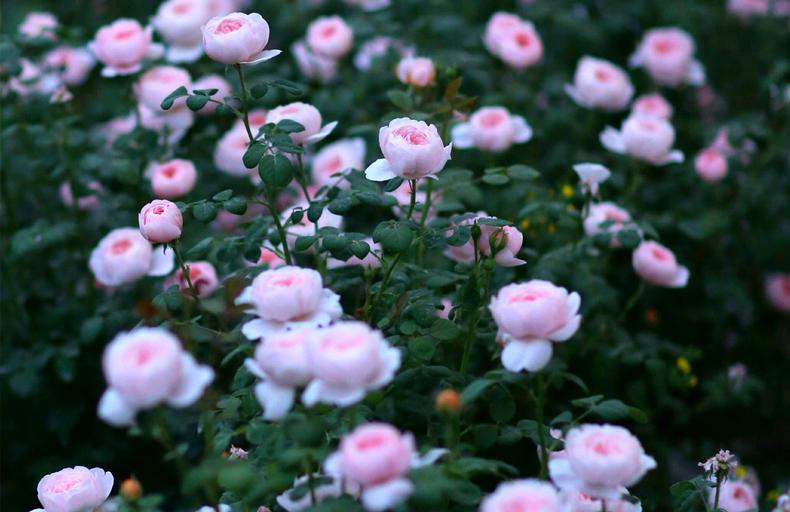
Roses bloom abundantly all thanks to fertilizer. Let's take a look together! The rose may have originated in China. But the ones who have really made a name for themselves growing roses are in Europe and Japan. We may resent Japan, but there are some things they are really far better at than us. When growing roses, we can't stay stuck on agricultural techniques from decades ago; agricultural technology is updating fast these days. Take roses, for example - some people even say you can grow them without fertilizer. Today let's talk about that together!
Saying roses don't rely on fertilizer is actually false. Unless your soil is sufficiently "fertile." But over time it will still become deficient in nutrients, and such roses will show a pattern of "growing very well at first, then slowing down a lot after a while." Traditional fermented fertilizer is mainly organic matter, and its nitrogen, phosphorus and potassium content is not high. So if you want roses to grow well, you have to start with heavy fertilizer.
How do you apply the fertilizer? Let's take a look together! I hope it's useful to everyone. As long as you fertilize this way, there are no flowers you can't grow well.
1. Early-stage seedling-promoting fertilizer
For promoting seedlings, urea is not recommended - it only grows leaves and not branches, and no matter how good it looks, it's still not good! It's recommended to use fertilizer with high organic matter and condition the plant for 30 days. Apply once every 5 days; using it this way has the following effects.
Promotes root development, making the root system well developed and able to absorb more
More buds sprout, so there will be more leaves
Improves the soil, which is good for growth
A rose with a good root system and plenty of leaves has no reason to do poorly. So applying root-promoting, seedling-boosting organic fertilizer for the first 30 days also lays the foundation for water retention later on.
2. Add some granular fertilizer
Didn't I say not to use granular fertilizer? That's not right - I'm not against using granular fertilizer, but you need to reduce how much you use. Many people use it all the time, and that's no good. And the scientific way to use it is to bury it - don't ask me why! It's like asking why we walk with our legs instead of our hands. Of course, you can walk on your hands too!
3. Add some monopotassium phosphate
This is also necessary. Some people always worry about roses growing leggy. At this point you need to spray some monopotassium phosphate, otherwise they will grow leggy and not bloom. Secondly, it can also be sprayed on plants with small flowers or that are relatively weak.
A rose flower depends entirely on fertilizer. For fertilizer to be absorbed well, it all depends on watering. So after applying fertilizer, you have to water. This not only improves absorption, but also has a certain effect of lowering temperature and increasing humidity. If you fertilize roses this way, there are none that won't grow well!
When it comes to using pesticides, what kind do you like to use?