Potted flowers only grow leaves but do not bloom? Watch out for these problems
Hello, fellow flower lovers. I wonder whether the potted plants you bought have shown any sign of blooming after you have grown them for half a year or 3 months? If the potted plants you bought back only grow leaves but do not bloom, then you should pay attention to the problems raised below by the editor. First, let us analyze the reasons that cause them not to bloom: lack of pruning, unsuitable light levels, too much nitrogen fertilizer, insufficient nutrients, and so on.
(1) Pruning
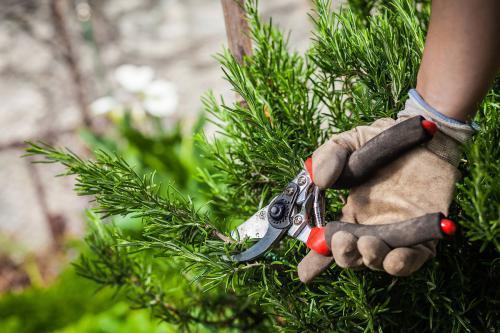
Pruning plants properly can not only promote branching but also encourage blooming. Some plants, such as jasmine, wintersweet, and Chinese hibiscus, have relatively strong shoot sprouting ability. If they are not pruned for a long time, their branches will grow wildly, which affects the plant's ability to absorb enough sunlight, and further leads to the phenomenon of only growing leaves without blooming. Therefore, in early spring, we should thin the plant properly, cutting off one third of the branches, and after each bloom of these plants, promptly cut off the spent flowers and so on.
(2) Light
Because different flowers have different adaptability to light, before growing a flower, we should first understand whether this flower is suited to scattered light or direct light. If the usual light conditions cannot meet the plant's characteristics, it is very easy for the plant not to bloom, and even if it can bloom, it will only produce thin, small flowers.
(3) Level of fertilization
Generally speaking, fertilizing plants is normal, but if during fertilization we apply too much nitrogen fertilizer to the plant, this will cause the branches and leaves to grow wildly, so the nutrients are absorbed by the branches and leaves, and the plant's flowers cannot grow normally. If we do not apply potassium and phosphorus fertilizer, the plant will also fail to grow flower buds, which also leads to the plant having no flowers to bloom. If the situations mentioned above by the editor occur, we should promptly stop applying nitrogen fertilizer, and we can apply some bone meal, pour some rice-washing water, and so on.
(4) Insufficient nutrients
For newly bought potted flowers, they only need a little care and they can bloom healthily, but after the plant has bloomed once, by the next year, if we do not add fertilizer to the plant, this will cause the plant to have insufficient nutrients and thus affect its blooming. Moreover, insufficient nutrients may also be because the fertilizer in the soil has all been absorbed by the plant. So at this time, we should repot the plant once every year in early spring, and when the plant is in its growth period, apply some liquid fertilizer to it. Only when the plant's nutrition keeps up will it produce new flower buds and then new flowers. And do not forget that after each time the plant finishes blooming, we should promptly prune away the spent flowers.
The reasons why plants do not bloom are roughly the several situations mentioned above by the editor. As long as everyone follows the methods described by the editor, I guarantee your potted plants will be able to see new flowers next year. Of course, if you encounter any difficulties during the process, you are welcome to ask the editor.