What to do about old yellow leaves on summer flowers? Grow them this way to easily restore their vitality
Summer temperatures are so high that people get quite irritable from the heat, let alone flowers and plants. Some plants, even with careful care, still have leaves turning yellow for no apparent reason, and in the end the branches also gradually turn yellow. If a plant is sick, it is even harder to grow it well. So below, let me introduce the most common causes of yellowing leaves on plants and the solutions.
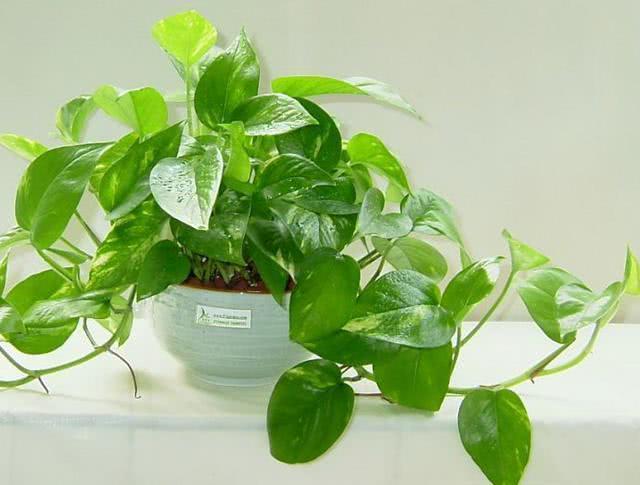
Pothos
The main reason pothos leaves turn yellow in summer is overwatering, because many gardening friends worry that their pothos lacks water, so they keep watering it nonstop, and combined with poor ventilation in summer, this makes its leaves turn yellow. So we need to put the pothos in a well-ventilated environment or fan it with an electric fan, which can speed up water evaporation. Once the water has evaporated properly, it can be cared for normally again.
Gardenia
Gardenia leaves turning yellow in summer is basically because the soil is alkaline, since gardenia is suited to growing in acidic soil. If it grows in alkaline soil for a long time, its leaves will turn yellow. You can prune off the yellowed leaves, then mix ferrous sulfate and clean water at a ratio of 1:2000, stir evenly, and pour it directly into the soil. Watering once about every half a month, it will gradually return to normal.
Asparagus fern
If you grow asparagus fern in an air-conditioned room, the room easily becomes very dry, and if you do not water the plant in time, the asparagus fern's leaves easily turn yellow and dry up, and in the end it simply dies. So we need to prune off the yellowed leaves, then spray more clean water around the asparagus fern to increase air humidity, and water it in time, watering about once every 4 days.
Hydrangea
Hydrangea itself prefers a moist environment. If it lacks water, its leaves easily droop and turn yellow, but overwatering will also rot its roots and turn its leaves yellow. When watering hydrangea in summer, you can wait until its leaves soften and droop slightly, then immediately water it thoroughly, and in summer grow it in a well-ventilated environment, otherwise its leaves easily turn yellow too.
Spider plant
Running an air conditioner or fan in summer makes the indoor air relatively dry, which causes spider plant leaves to turn yellow and dry up. Gardening friends who are able can turn on a humidifier for the spider plant, which can increase air humidity and also achieve a cooling effect. Of course, you can also place a basin of clean water beside the spider plant, which can likewise increase air humidity.