With proper year-round care, the asparagus fern will grow green and tall
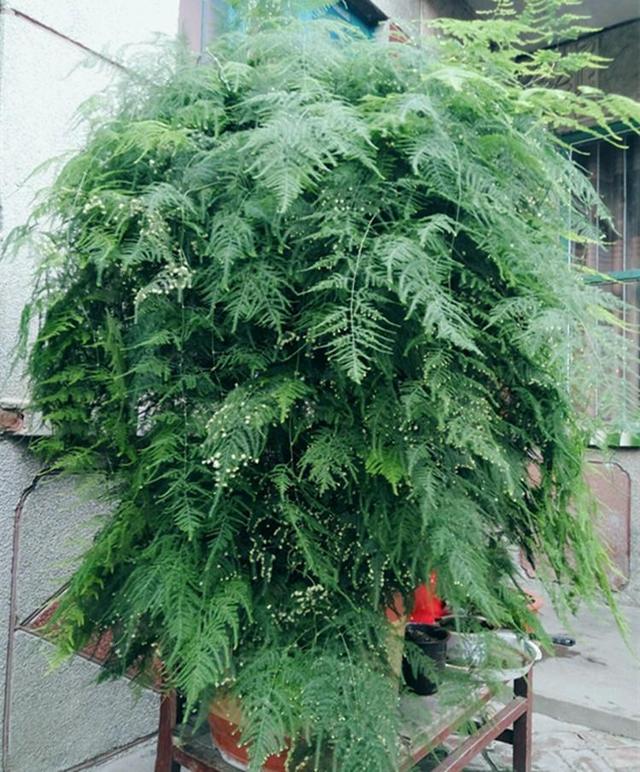
The asparagus fern (Asparagus setaceus) has an elegant, free-spirited form, fresh and refined, delicate and charming. It is fairly shade-tolerant and can be placed long-term on a north-facing balcony with diffused light or in the shade beneath large plants. If you want your asparagus fern to grow green and tall, you must "pamper" it well through all four seasons.
1. Spring
Fellow gardeners, repot older asparagus fern plants in March and April. The potting soil should preferably be a loose, fertile sandy loam. Prune appropriately before repotting. Since the asparagus fern likes a shady, humid environment, it can be placed in a spot with diffused light for long periods.
Spring temperatures are suitable, and the asparagus fern grows fairly vigorously. For young asparagus fern plants, apply a general-purpose liquid plant fertilizer 1 to 2 times as a top dressing, diluted 500 times. Although the asparagus fern fairly likes fertilizer, when the fertilizer supply is abundant, it easily causes the clump to grow too densely and the branches and leaves to grow too tall, affecting its appearance. Ensure a sufficient water supply, and fellow gardeners should also take care to increase air humidity, otherwise the leaves easily age and drop, affecting their ornamental value.
In addition, if you find the new shoots of the asparagus fern turning yellow, fellow gardeners should apply an 800-times-diluted organic liquid plant fertilizer or 0.2% monopotassium phosphate 1 to 2 times, and appropriately increase the morning and evening light.
2. Summer
The asparagus fern tolerates high temperatures but not blazing sun, so it should be placed in a spot with bright light, the potting soil kept moist, and water sprinkled around it frequently, with no fertilizing.
3. Autumn
After autumn temperatures turn cool, the asparagus fern resumes growth. At this time, fellow gardeners should pay attention to supplying water and fertilizer and to replenishing air humidity. After temperatures drop in late autumn, take care to maintain warmth, and gradually move the asparagus fern to a spot with light to grow, and reduce the frequency of watering, keeping the potting soil moist.
4. Winter
The asparagus fern is not cold-tolerant; temperatures below 5°C will cause leaf drop, so the temperature should be kept above 5°C. At this time the asparagus fern is in a state of stagnant growth, and fellow gardeners should ensure a certain amount of light, reduce watering, keep the potting soil slightly on the dry side, and not fertilize. If the temperature is kept above 10°C, the asparagus fern can also grow normally, and the potting soil should be kept moist.
5. Pruning
The asparagus fern is a vine plant. If there is enough space, it can be grown in a large pot, with sufficient water and fertilizer, and a trellis provided for it to climb on, and it can cover half a wall. But for potted ornamental asparagus fern, you must not allow the stems to grow tall and climb; promptly cut off overly long, drooping branches so that new young branches grow from the lower part and replace the old ones. Only by constantly cutting off old branches and encouraging new branches to grow will the asparagus fern keep its elegant, free-spirited, fresh and refined form.