What are the benefits and effects of drinking Lysimachia christinae (moneywort) steeped in water?
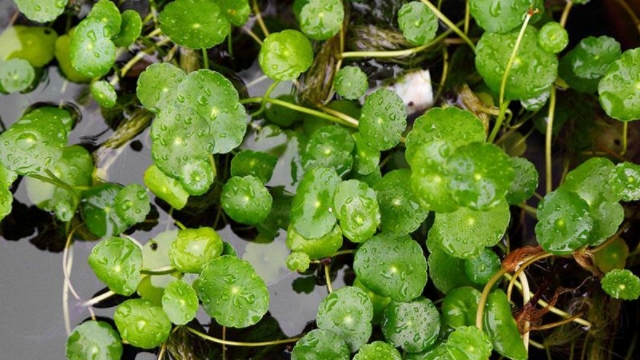
1. Stone removal
Drinking Lysimachia christinae (moneywort) steeped in water has the effect of removing stones and can serve as an adjunct treatment for stones. It has been widely used and has certain effects on hepatobiliary stones and urinary tract stones. It can make urine and blood pressure more acidic, causing stones in an alkaline environment to dissolve.
2. Diuresis
It can promote smoother urination and effectively relieve symptoms such as painful urination and heat strangury. If you want to promote diuresis, it can be taken together with Lygodium japonicum (climbing fern spore) and Gallus gallus domesticus (chicken gizzard lining).
3. Detoxification and swelling reduction
Lysimachia christinae (moneywort) has the effect of detoxification and swelling reduction. It can eliminate body edema and clear snake venom from the body. It can be used together with traditional Chinese medicinal herbs such as Isatis indigotica root (banlangen) and Polygonum cuspidatum (huzhang, Japanese knotweed), and can be used for the treatment of conditions such as sore poison and carbuncle swelling. In addition, it can clear lung heat and relieve adverse symptoms such as fever and cough in children.
4. Dampness removal and jaundice reduction
Lysimachia christinae (moneywort) can clear damp-heat and promote gallbladder function to reduce jaundice. It can be used together with traditional Chinese medicinal herbs such as Polygonum cuspidatum (huzhang, Japanese knotweed), Artemisia capillaris (yinchen), and Sedum sarmentosum (chuipencao), and the effect will be more pronounced. When using it, simply decoct it in water.