How to Grow Spider Plants? A Complete Guide to Care Methods and Precautions
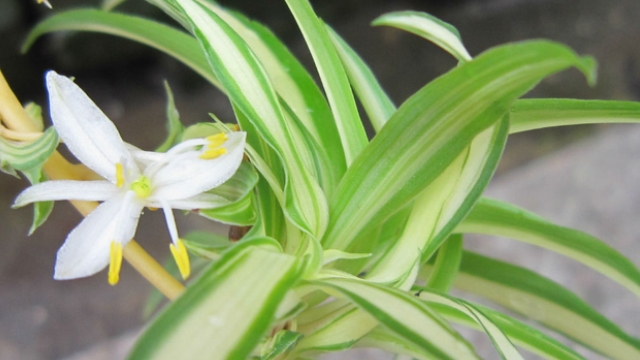
I. Growing Environment
1. Soil: To grow spider plants, you should use loose soil with good drainage. If the soil has poor drainage, waterlogging can easily occur and cause the plant's roots to rot.
2. Water: It likes to grow in a humid environment, but during vigorous growth it should be watered more. After the weather turns cold in autumn and winter, be sure to control the amount of watering, and do not water too often, so as to avoid waterlogging. In summer, water evaporates relatively quickly, so you can appropriately spray some water on the leaves.
3. Fertilizing: Spider plants are very tolerant of fertilizer. In spring and autumn, generally apply organic fertilizer once a week. If no fertilizer is applied for a long time, the leaves will turn yellow. The amount of fertilizer should be controlled well and must not be excessive.
II. Propagation Methods
1. Division propagation: This propagation method is not suitable in low-temperature environments. Division can be done in all three seasons of spring, summer, and autumn. Before division, watering should generally be paused to keep the soil somewhat dry. When dividing, cut the plantlets off the flower stems, then plant them separately.
2. Cutting propagation: First cut off the stems and leaves on the stem, then plant it. After planting, water thoroughly and place it in a shady spot for care.
III. Common Pests and Diseases
Very common pests and diseases when growing spider plants: whiteflies, aphids, scale insects, and root rot. After finding the plant affected by pests or diseases, immediately spray it with the corresponding pesticide. At the same time, prune off the affected branches and leaves to prevent them from harming more branches and leaves.