Remember 3 sentences for watering orchids, and put in 3 years of effort for fertilizing
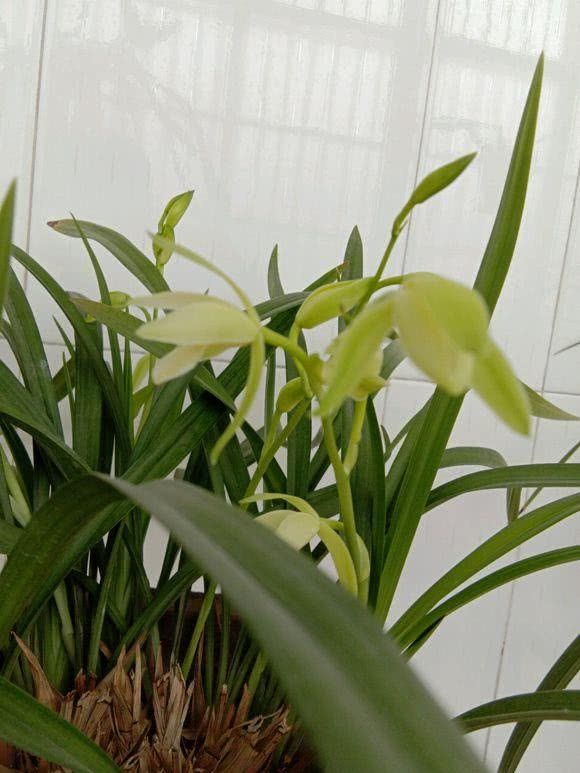
Growing orchids has a long history in China, and our predecessors left much experience worth learning from. To sum it up: 3 sentences for watering, 3 years of effort for fertilizing. Whether orchids grow vigorously depends on how thoroughly you study the experience.
3 sentences for watering
1. Four cases to add
Add in severe heat, add when the north wind blows hard, add when near sunlight, add when the pot is small. That is to say, when the temperature is high, moisture must be increased; in places with strong sun, moisture must also be added; when the north wind blows, water evaporates quickly; with a small pot, the soil naturally holds little water, so the watering frequency should be higher. If orchids lack water, it easily leads to empty roots.
At the same time, in summer, avoid waterlogging, because water evaporates relatively quickly. Do not water too much at one time; you can increase the watering frequency. Only then can orchids grow more vigorously. Watering thoroughly after the soil dries out is a relatively good method.
If you do not know when the soil has dried out, you should use the pot-tapping method, or insert a wooden stick or bamboo skewer into the soil, so you can judge well whether the orchid lacks water. Roughly calculate how many days until watering once, and it becomes more convenient.
Although the summer climate is hot, orchids can still grow as usual, so fertilizer should be supplemented appropriately. It is generally recommended to use an organic fertilizer rich and balanced in nitrogen, phosphorus, and potassium. Rich and balanced in nitrogen, phosphorus, and potassium, fermented from sugarcane stalks, containing no additives or hormones, it is used about once every 7-10 days and can promote strong orchid roots, more shoots, and green leaves.
Five cases to reduce
Reduce watering on rainy days, reduce watering when the potting soil is muddy and dissolving, reduce watering on cloudy days, reduce watering for large pots, and also reduce watering when the pseudobulb turns black or the leaves have spots. When watering orchids, you must also consider the weather, rain, air humidity, and so on. In the above 5 situations, you must water less. With a large pot, moisture alternates relatively slowly, and too much watering easily causes root rot.
If the pseudobulb turns black and the leaves have spots, it is generally root rot in the orchid, or pests and diseases. Water even less, turn over the pot and check the soil to see what is going on. If the roots have rotted, appropriately use carbendazim to sterilize, and at the same time note that the watering frequency should be lower.
Six cases to skip
Do not water on heavy rainy days, do not water when the weather is overcast, do not water on snowy days, do not water after changing soil, do not water after spraying pesticide, and do not water when repotting.
If there is continuous plum rain weather and there is already standing water in the flowerpot, do not let water accumulate, as it easily causes root rot. At this time, pay attention to ventilation and let the water evaporate.
When changing soil, the roots are generally also trimmed, and watering is not recommended, otherwise the roots rot relatively easily, so when potting up, just keep the soil slightly moist. Watering a few days later helps the plant establish faster.
3 years of effort for fertilizing
If you are a novice flower lover who does not know how to fertilize, it is still recommended to use organic fertilizer specially for orchids, because these have been professionally proportioned and can promote orchid growth and sprouting, with little need to worry about too much.
Of course, before special orchid fertilizer existed, orchid growers usually used rapeseed cake, that is, the cake left after rapeseed is pressed for oil. After fermenting for more than half a year, it can make very good fertilizer. This is a pure natural organic fertilizer and is especially good for orchid growth. In rural areas, it is generally used to maintain fertility for fruit trees or vegetables, and can be scattered directly into the ground, practical and convenient.