Flowers can also love and fight each other, fully revealing the wondrous relationships in the plant kingdom
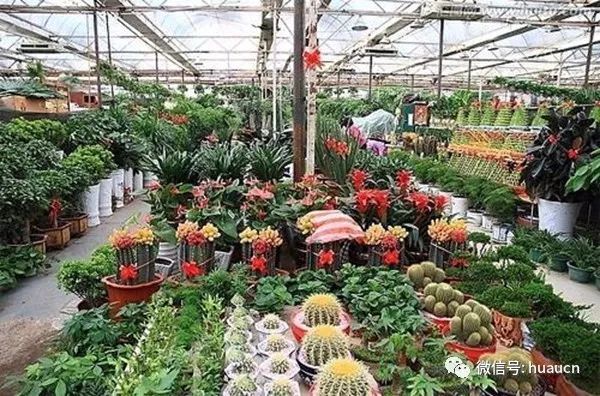
Plant allelopathy has a major impact on natural and artificial ecosystems. Some plant species can "live in peace and coexist and prosper together," while others "bully the weak and are utterly incompatible." In flower cultivation and care, how to move toward mutual benefit and avoid conflict and to seek advantages and remove harm truly deserves attention.
Gardening knowledge; Why do succulents tend to drop leaves in summer?
Among some plants, because the species differ and their habits vary, during their growth process, in order to compete for nutritional space, they secrete toxic substances from their leaves or root systems that have harmful effects on other plants, causing them to "form grievances and become damaged, with one surviving only if the other dies" with neighboring plants of other species. For example, the root system of walnut can secrete a substance called juglone. After hydrolysis and oxidation in the soil, it becomes extremely toxic and can harm or kill pine trees, apple trees, potatoes, tomatoes, birch, and many herbaceous plants.
Among some plants, because the species differ and their habits are complementary, the secretions from leaves or root systems can be used by one another, enabling them to "benefit each other and get along harmoniously." For example, planting violets in a vineyard makes the grapes produced of better quality. When soybeans and castor are planted together, the scarab beetles that harm soybeans are driven away by the scent of castor.
Of course, in the cultivation and care of potted flowers, since they are not planted in the same pot, the influence of root secretions need not be considered. Only the influence of secretions from leaves, flowers, or fruits on other flowers placed in the same indoor space needs to be considered.
For example, lilac and lily of the valley cannot be placed together, otherwise the lilac flowers will quickly wilt. Even at a distance of 20 cm, if the lily of the valley is moved away, the lilac will recover to its original state. Lily of the valley also cannot be placed together with narcissus, otherwise both will suffer. Lily of the valley has a particularly bad "temper" and is hardly "friendly" with almost all other flowers. The fragrance of lilac is also unfavorable to narcissus and may even endanger the narcissus's life. Lilac, violet, tulip, and forget-me-not should not be grown together or placed in the same vase, otherwise they will all be harmed.
In addition, lilac, mint, and laurel can secrete large amounts of aromatic substances that inhibit the ecology of adjacent plants, so it is best not to place them together with other potted flowers for long periods. The volatile oils of sabina chinensis contain ether and chloroform, which can slow the respiration of other flowers and plants, stop their growth, and cause symptoms of poisoning. Sabina chinensis should also not be placed together with flowering trees such as pear and crabapple, otherwise they are prone to "contracting" rust disease. Furthermore, ripe apples, bananas, and the like are best not placed in the same room as potted flowers (or cut flowers) that are in bud or in bloom, otherwise a certain gas produced by the fruit will also make the potted flowers fade early and shorten the viewing time.
Gardening knowledge: Should flowers be placed beside the television?
Flower species that can get along amicably include: lilies and roses grown together or placed together in a vase will bloom better than when placed separately. If nasturtium, whose flowering period is only one day, is placed together with cypress, the flowering period can be extended to 3 days; camellia, sasanqua, red-flowered camellia, and others, when placed together with litsea cubeba, can significantly reduce sooty mold.
Most of the allelopathic substances discovered so far are secondary metabolites. Generally, their molecular weights are relatively small, and their structures are also relatively simple. They mainly include simple water-soluble organic acids, straight-chain alcohols, aliphatic aldehydes and ketones, simple unsaturated lactones, long-chain fatty acids and polyacetylenes, naphthoquinones, anthraquinones and complex quinones, simple phenols, benzoic acid and its derivatives, cinnamic acid and its derivatives, coumarins, flavonoids, tannins, terpenoids and steroids, amino acids and peptides, alkaloids and cyanohydrins, sulfides and mustard oils, purines, nucleosides, and so on. Among them, phenolic and terpenoid compounds are the most common, and ethylene is also a representative compound in allelopathic and mutualistic interactions.
·END·
An interactive platform for flower growing, flower planting, and green plant enthusiasts to exchange ideas, show off, and boast. An online home for sharing flower cultivation methods and household gardening tips. A fresh flower subscription platform.
Fresh flowers: hyacinth|violet|plum blossom|carnation|camellia|kalanchoe|jasmine|gardenia|peach blossom|balloon flower|osmanthus|calla lily|lily|forget-me-not|clivia|apricot blossom|honeysuckle|milan|peony|sunflower|chrysanthemum|serissa|crown of thorns|tulip|narcissus
Green plants: poinsettia|money tree|pothos|spider plant|alocasia|lucky bamboo|asparagus fern|aloe|ivy|anthurium|monstera|bougainvillea|silk tree|peace lily|schefflera|boxwood|sago palm|rubber plant|maidenhair fern|snake plant|
huau.cn
……
Search the public account "Flower Friends" or "huaucn" to get the latest information
Business cooperation, promotion. Please contact WeChat private account:ihuaucn