How to care for carnations in summer? Master these care essentials
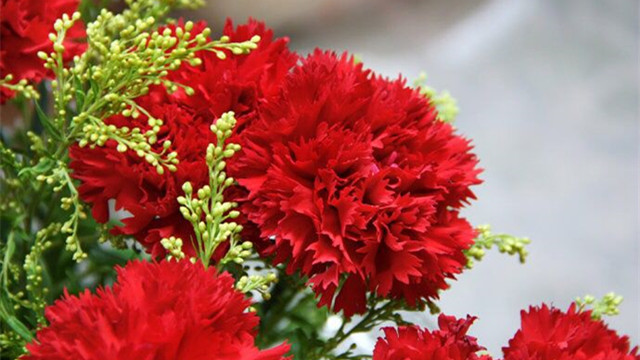
I. Growing environment
1. Soil: choose relatively loose sandy soil or other soil with strong aeration
2. Light: in summer, provide plenty of light in the morning and evening, but at hot midday you can shade appropriately to prevent the leaves from being scorched, which would cause the flower color to be paler.
3. Temperature: keep the temperature at around 19-21°C. If the summer temperature is too high, above 35°C, spray water around the plant or on the leaves to control the temperature. In winter, it can grow as long as the temperature is above 9°C.
4. Water: in summer, the amount of watering is relatively greater, but water must not accumulate. Drip irrigation can be used to prevent root rot.
II. Propagation methods
1. Cutting method
Remove the flower stalk, cut a stem below a node, keep 3-4 leaves at the top, and remove the lower leaves. Insert the prepared stem into the substrate, then water thoroughly, and place it in a dark spot to root. It can root in about 1 month; then place it in sunlight to grow.
2. Sowing method
Choose well-drained soil as the substrate and sow at around 20°C; germination takes about 10-15 days. Freshly sown seeds should be placed in a cool, ventilated spot. After germination, place them in sunlight to grow, but be careful not to expose them to strong light.
III. Pests and diseases
It is prone to pests and diseases such as leaf spot or gray mold. If symptoms of infection appear, such as spots or a gray mold-like coating on the stems and leaves, promptly remove the diseased leaves and spray pesticide.