The flower that blows up your social media feed, grows like crazy when tossed in water, and blooms bigger the hotter the summer gets
Bowl lotus and water lily
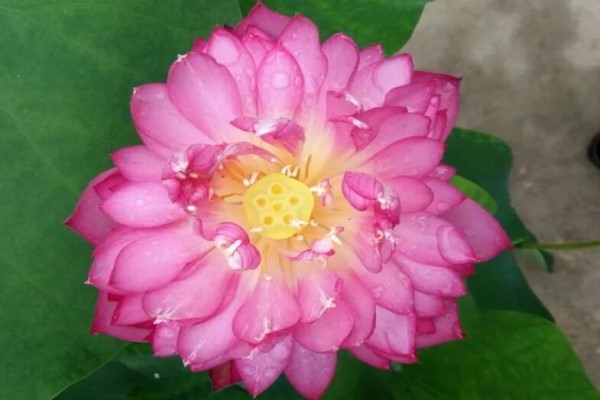
The lotuses we grow at home these days are mainly bowl lotus and water lilies, with plant sizes that fit well and don't take up much space. Bowl lotus looks a lot like the common lotus, just a bit smaller, and can be planted directly in a water basin; some flower lovers even grow them in foam boxes and bowls!
Water lilies are a bit more special: the leaves have a notch and often float on the water surface, and the flowers come in more colors. Besides the common red and white, there are also yellow, orange, and blue-purple. For water lilies, it's best to use a larger water vat or foam box, so the whole container fills with blooms and looks beautiful!
Steps for growing lotus
Growing lotus is actually simpler than growing flowers; as long as you have sunlight at home, you can get them to bloom. Now follow along with Huahua and try growing them, you'll definitely get the hang of it right away!
1. Cut the top of the seed and soak it in water for 3-5 days
The shell of a lotus seed is very thick. Use a small knife or scissors to cut off the shell at the pointed end, which makes it sprout faster. Soak it in clean water for 3-5 days and it will sprout. Huahua also reminds everyone that the lotus seeds used for planting must be old lotus seeds, and when buying, be careful not to buy seeds of the vegetable lotus, otherwise they won't bloom when grown~
2. Change the water every 1-2 days and wait for the sprout to grow small leaves
After the lotus seed sprouts, you can put it in a sunny spot and change the water every 1-2 days. Note that tap water must be left to sit for 1 day before use, otherwise too much chlorine will affect growth. After about 1-2 weeks, small leaves will grow and roots will also emerge; at this point you can plant it in place.
3. Planting in place
The best soil for growing lotus is paddy soil or ordinary original soil. First sift it fine, remove the large particles, then pour boiling water over it 1-3 times to sterilize. You don't need too much, just enough to cover the seed and roots (you can also leave a little poking out). It's best to plant one per pot, so it blooms more smoothly.
4. Care
Lotus isn't afraid of sun; just put them in the sunniest spot at home, and the more sun they get, the faster they grow. Pay attention to adding water; the water should ideally be full. Never use polluted water like fish pond water for this; use tap water that has been left to sit instead. Normally you can add some nutrient solution and compound fertilizer, and before blooming you can also spray some monopotassium phosphate to encourage flowers.
Problems with growing lotus
1. Yellow leaves, scorched leaves
If your lotus leaves turn scorched yellow and rot, it could be from too little water, not changing the water for a long time, poor water quality, too much fertilizer burning them, or too many plants crowded in the pot. When you spot a problem, you can check against these to see what the cause is.
If yellow, scorched, or rotten leaves appear, first change the water, preferably tap water that has been left to sit for 1-2 days; remove all the dead stems and leaves and let it regrow. Once new leaves grow, you can add some nutrient solution.
2. Not blooming
Some flower lovers complain that blooming is slow or that it only grows leaves without blooming. It's very likely you bought a vegetable lotus seedling from Suqian. If the seeds are the real thing, then it's easy to deal with.
First check whether there's enough light; be sure to keep it in a sunny, well-ventilated spot, add water in time, and keep the water full. If you want to encourage blooming, you can add some compound fertilizer or monopotassium phosphate every week.
3. Pest problems
In summer, as long as there's standing water, pests appear easily. Actually, from sterilizing the soil at the start to changing and adding water in time, keeping things clean and hygienic can reduce the chance of pests. Also, it must be well ventilated; without ventilation, no flower is easy to grow.
If your lotus container is big enough, you can keep a few hardy little miscellaneous fish. A 1-2 cm small fish needs 1 liter of water as activity space, so you can do the math; keeping a few in the basin is still fine~
Enjoying lotus in summer
Flower lovers, hurry up and get started~
If you also have lotus blooming at home
Hurry and show it off in our community too