A Detailed Guide to Growing Mahonia anhweiensis
1. Soil
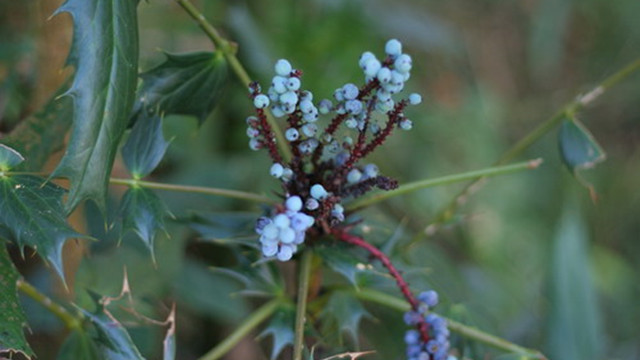
This is Mahonia bealei (leatherleaf mahonia), which loves moist, fertile land. Choose a loose-textured, well-drained, fertile soil, and apply base fertilizer before planting.
2. Water
Right after planting, water thoroughly once. It is easy to manage; water during droughts, using methods such as sprinkler irrigation or pouring. If grown in a pot, keep the soil moist and do not let water accumulate in the pot.
3. Light
It is a temperate plant that tolerates shade but needs appropriate light; it is not tolerant of high temperatures or extremely low temperatures, so provide shade during hot weather, and in winter place the plant indoors with ample sunlight.
4. Temperature
It originates from moist, shady places such as forest valleys, so it is not tolerant of high temperatures; when the temperature is too high, its growth slows or stops. In winter, when the temperature drops below 0°C, it will shed its leaves, but this is normal growth behavior, and new shoots will sprout again after warmth returns in spring.
5. Fertilizing
During the growing season, apply fertilizer once every 20 days; diluted decomposed cake fertilizer water is sufficient. Before winter sets in, apply another round of decomposed cake fertilizer water or decomposed poultry and livestock manure, then stop fertilizing. Once growth resumes in spring, fertilize again.
6. Points to note
When growing it, hoe weeds 3-5 times a year, which can release nutrients in the soil and keep the soil loose.