The all-purpose fertilizer works better than worm castings or willow branch water; 1 to 2 spoonfuls will grow any flower
As people's living standards improve, they pay more and more attention to the quality of life. Growing flowers, keeping fish and keeping birds have become leisure pursuits for retired seniors, and growing flowers in particular is widely loved. Whether young or old, everyone can always find a flower they like. Keeping a pot of flowers at home not only beautifies the room but also purifies the air, and the key point is that it also cultivates the mind and character. As the ranks of flower lovers keep growing, all kinds of little flower-growing methods and tips have appeared online, dazzling people's eyes. Things like rice water, worm castings and willow branches have all become treasured secrets for growing flowers. But some flower lovers have long commented that although these methods are good, they are not practical, because many flower lovers live in apartment buildings and such homemade flower fertilizers simply do not suit them - the smell is unbearable. For this reason, today I am sharing a little method that solves this problem nicely. I hope you like it!
So what exactly is this all-purpose fertilizer?
It is actually just dry-roasted sunflower seeds. Flower lovers, remember it must be dry-roasted, and no seasoning granules can be added - flavored ones like five-spice will not work. Flower lovers must remember this!
Let us first talk about the principle, so that flower lovers can use it with confidence
Sunflower seeds are rich in oily substances as well as nitrogen, phosphorus and potassium fertilizers and various nutrients. They really can grow any flower, so flower lovers can use them with confidence.
The making and using method is as follows:
Use a garlic pounding jar to crush the dry-roasted sunflower seeds into a crumbly powder. Both the kernel and the shell can be kept.
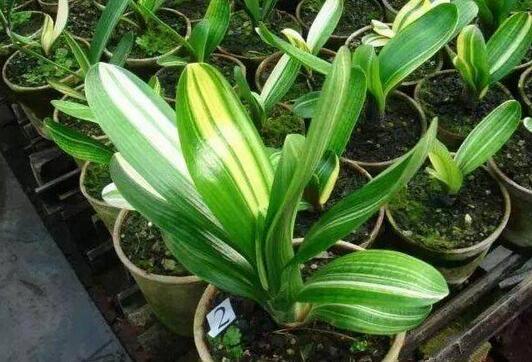
Bury this crushed sunflower seed mixture at the bottom of the flower pot, then cover it with at least 5 cm of thick soil. Plants such as clivia (Clivia miniata), Christmas cactus (Schlumbergera), kalanchoe (Kalanchoe blossfeldiana), Chinese rose (Rosa chinensis) and rose (Rosa) especially love this kind of nut-based flower fertilizer. If it is a semi-planted pot, you can also spread it directly on the surface to retain moisture, keep warmth and improve the looseness of the soil.
If you are not repotting, you can also dig a few small holes along the edge of your flower pot, put one spoonful of crushed sunflower seeds into each small hole and cover it with soil. When fertilizing like this, it is recommended to use it once every 1-2 months. If the base fertilizer for your flowers is sunflower seeds, then even without further fertilization they will grow lush branches and leaves.
To grow flowers well, besides fertilizing, watering is the most crucial. So below, Xiaohua shares 3 watering methods for different plants. I hope you like them!
How should clivia (Clivia miniata) be watered?
Clivia has broad leaves with a tender texture and requires soil with a relatively high water content and relatively high air humidity. In the hot summer, clivia grows slowly and its roots absorb little water, but the leaves evaporate a great deal of water. Therefore, clivia must not lack water, otherwise its fleshy roots will shrink and its leaves will become thin and weak, dull and lusterless.
When watering, stick to the principle of watering as soon as the soil is half dry, and water thoroughly when you do. But you should not water as soon as you see the surface soil is dry either. Otherwise the potting soil will remain moist for a long time, and the roots will easily rot and the leaves turn yellow.
How should Christmas cactus (Schlumbergera) be watered?
Christmas cactus is a drought-tolerant plant and does not need much watering. Choose loose soil rich in organic matter with good drainage and air permeability. Water must not accumulate in the pot. As long as the soil is moist, there is basically no need to water; on very sunny days, just spray water on it.
How should the money tree (Pachira aquatica) be watered?
The money tree has strong adaptability to water; it will be fine without watering for 10 days to half a month. So in summer, water once every 5-7 days indoors, and in spring and autumn water once every 7-10 days. In winter it depends on the room temperature; the potting soil should be slightly moist. If the room temperature is around 12°C, watering once a month is enough.
That is all for today's sharing