Small indoor flower-growing tips: master these points and your flowers will grow even better
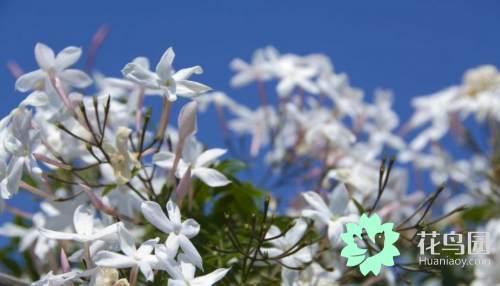
Growing flowers is a life hobby that can cultivate the mind and character, and it also beautifies the home and improves the environment. Home gardeners do not need to be as skilled as landscape masters. The most important thing in family flower growing is to be attentive. Only by truly being attentive, neither arrogant nor impatient, can you grow flowers well. Now let us take a look at small tips for growing flowers indoors at home!
How should balcony flowers be chosen?
1. A balcony has a relatively small area, strong wind, dryness, high summer temperatures, and fast water evaporation, but it has ample light and good ventilation, which is very favorable for some light-loving, drought-tolerant flowers.
2. A protruding balcony is exposed on three sides and has good light, so a flower stand can be set up to grow climbing flowers such as cypress vine, morning glory, grape, and Virginia creeper, and a flower stand can also be placed to hold Chinese rose, pomegranate, Aglaia odorata, jasmine, and bonsai. From the top of the balcony, shade-tolerant spider plant and ferns can be hung. The rear part of the balcony is a semi-shady environment, where heavenly bamboo and clivia can be placed.
3. A recessed balcony is exposed on only one side and has poor ventilation, so trapezoidal flower stands can be set up on both side walls to display flowers and plants.
How should indoor flowers be chosen?
1. Indoors is an important place for people's daily activities, so flowers should be chosen according to the following requirements. Flowers should preferably be shade plants or shade-tolerant varieties, such as lucky plant, orchid, Swiss cheese plant, spider plant, rubber tree, and clivia. Some flowering plants mostly belong to sun-loving flowers, so when displayed indoors they should be placed in a sunny spot and often moved outdoors to absorb sunlight and rain.
2. Flowers and plants with strong odors are not suitable to be placed indoors, such as lilac and night-blooming jasmine, whose fragrance can cause adverse reactions in some patients. Some patients with high blood pressure or heart disease feel stuffy and uncomfortable after smelling these fragrances. The aroma of pine and cypress plants can reduce people's appetite, so they should not be placed indoors in too large a number or for too long.
3. The sap of the leaves, stems, and flowers of some flowers is toxic, so when placed indoors they should be properly isolated, especially to avoid contact by children. Poinsettia, lantana, oleander, tiger thorn, milk hedge, and red spider lily are all toxic, though in fact their toxicity is relatively low. As long as you do not casually pick the leaves, branches, flowers, or fruits, poisoning generally will not occur. More care should be taken when cultivating them.
4. Bedroom arrangements should be quiet, clean, simple and elegant, and comfortable. A south-facing bedroom has ample light, so flowers that love sunlight and warmth can be chosen, such as Aglaia odorata, Chinese hibiscus, Chinese rose, white orchid, kumquat, cacti, and succulents. Because east- and west-facing bedrooms have short light duration, semi-shade-tolerant flowers can be chosen, such as camellia, azalea, gardenia, banana shrub, asparagus fern, and lucky plant. North-facing bedrooms have poor light conditions and lower temperatures, so clivia, spider plant, rubber tree, Swiss cheese plant, asparagus fern, and rock bonsai are suitable.
5. Living room arrangements require tranquility, elegance, and good taste, with compactness and elegance as the main features. Aglaia odorata, four-season osmanthus, jasmine, asparagus fern, Buddha's hand, and kumquat can be chosen. In the corners, foliage plants can be placed, such as money tree, areca palm, bamboo palm, pygmy date palm, and ferns.
How can you tell whether a potted flower is short of water?
1. Tapping method: gently tap the upper-middle wall of the flower pot with the knuckle of your finger. If a relatively crisp sound is produced, it means the potting soil is already dry and needs to be watered immediately. If a dull, muffled sound is produced, it means the potting soil is moist and watering can be temporarily skipped.
2. Visual method: observe with your eyes whether the color of the potting soil surface has changed. If the color becomes lighter or grayish-white, it means the potting soil is already dry and needs watering. If the color becomes darker or brown, it means the potting soil is moist and watering can be temporarily skipped.
3. Finger test method: gently insert a finger about 2 cm deep into the potting soil and feel the soil. If it feels dry, rough, and hard, it means the potting soil is already dry and needs to be watered immediately. If it feels slightly moist, fine, and soft, it means the potting soil is moist and watering can be temporarily skipped.
4. Rolling method: roll a bit of the potting soil with your fingers. If the soil is powdery, it means the potting soil is already dry and should be watered immediately. If it forms flakes or granules, it means the potting soil is moist and watering can be temporarily skipped.
The above test methods are all based on experience. They can only tell people the approximate condition of whether the potting soil is dry or wet. If you need to know the degree of dryness or wetness of the potting soil accurately, you can buy a soil thermometer and insert it into the soil, then you can see words such as "dry" or "moist" on the scale and know exactly when to water.
How should growing medium be mixed?
1. Plain sandy soil: mostly taken from riverbanks. It has good drainage but no fertility, and is mostly used by mixing into other growing materials to help drainage.
2. Garden soil: soil taken from the surface layer of vegetable gardens, orchards, and similar places. It contains a certain amount of humus and has relatively good physical properties, and is often used as the basic material for most growing media.
3. Leaf mold: made by piling up fallen leaves, dry grass, and so on. It has a high humus content, strong water retention, and good permeability, and is one of the main materials for mixing growing medium.
4. Mountain soil: divided into black mountain soil and yellow mountain soil. It is formed by the long-term accumulation of fallen leaves from mountain trees. Black mountain soil is acidic and contains more humus, while yellow mountain soil is also acidic and contains less humus.
5. Peat soil: formed by the carbonization of peat moss. Due to different stages of formation, it is divided into brown peat and black peat. Brown peat is rich in organic matter and shows an acidic reaction, while black peat contains more minerals and less organic matter and shows a slightly acidic or neutral reaction.
6. Rice husk ash: ash formed after rice husks are burned. It is slightly alkaline, contains potassium, and has good drainage and air permeability.
7. Barnyard manure soil: made by mixing animal manure, fallen leaves, and other materials with garden soil, sewage, and so on, then piling and composting them. It has relatively rich fertility.