Growing roses in summer: don't rush into it without paying attention to these points
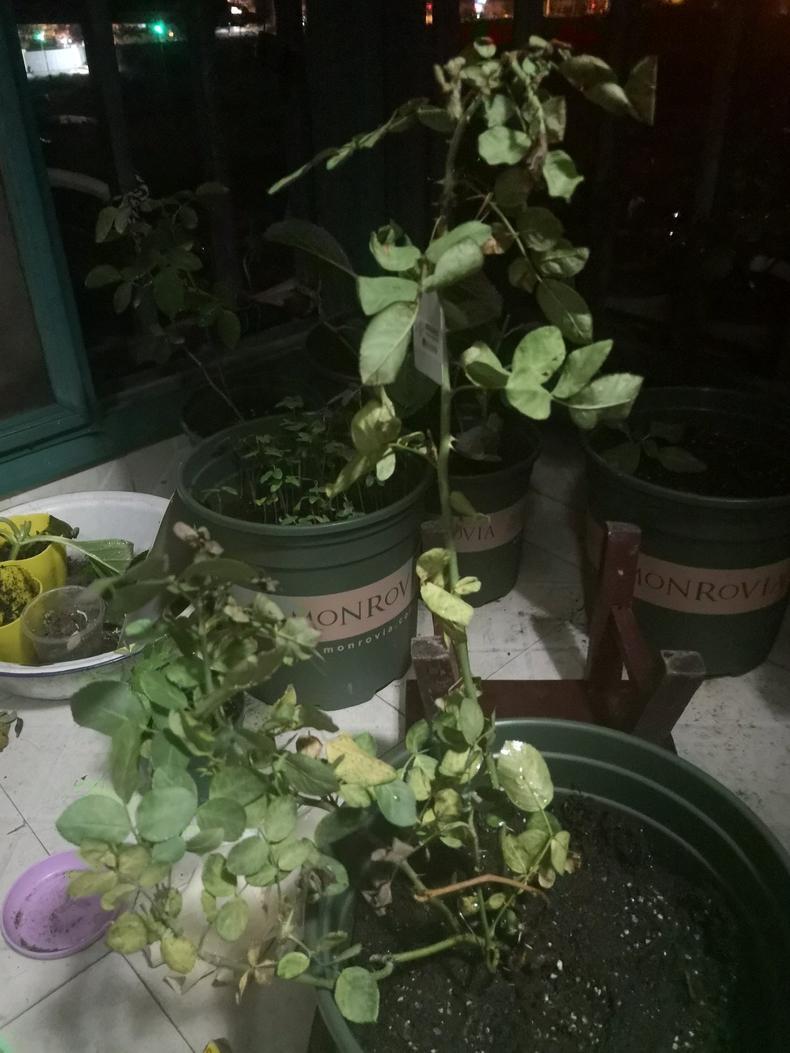
High summer temperatures make growing roses a fairly risky business. Let's take a look at today's case! We all know that summer is not the time to grow roses, because high temperatures easily cause all kinds of damage to them. But even though everyone knows this, some people still take the risk and try. We admire these bold people, but care still needs to be taken.
Why do roses grown in summer so easily end up like this? Some say it's a problem with the seedlings, and of course seedlings can have problems too. But I think most of the problems come down to the grower's own care. Let's take a look together today!
New seedlings need pruning
Many people like to buy roses with flower buds, which is fine in early spring. But once summer arrives, roses with flower buds need to be pruned, otherwise problems easily arise. That's because blooming buds demand more nutrients and water, while at this time the rose is in a state of low nutrient absorption capacity. If the buds are not pruned, yellowing leaves and leaf drop easily occur.
Acclimatisation of new seedlings after they arrive
After the roses arrive, they need acclimatisation, otherwise they easily dry out and die. Acclimatisation means letting the roses adapt to their current environment, which benefits their growth. If you start managing them directly after buying them, you won't grow them well. Generally, roses being acclimatised don't need fertiliser, only watering, for a period of 7 days.
Start fertilising after 7 days
At this point you still can't use too much fertiliser, because the roses have only just begun to recover. We need to give the roses nutrients that are easy to absorb, and for now it's best not to use chemical fertilisers. We can use fermented fertiliser, which is well absorbed and only then produces fast growth.
Otherwise the rose leaves easily turn yellow. This is the experience I've summed up from growing around 10 or more pots. In terms of details, you need to pay attention to ventilation and scientific watering. Roses grown this way will have fewer yellow leaves. I hope this helps everyone!