Timing Your Orchid Watering Right for Better Blooms
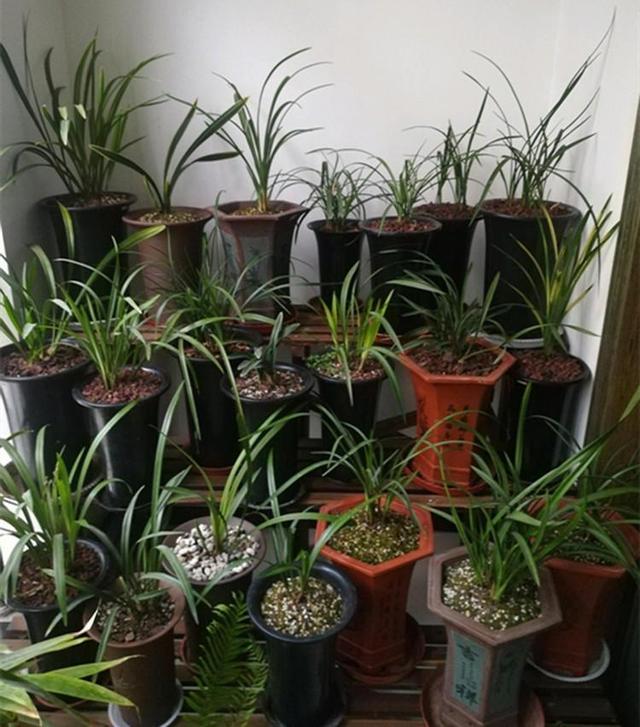
They say growing orchids is easy once you get the hang of it, but watering takes ten years to master. Orchid watering has always been a question that orchid growers chase and struggle with. In fact, when it comes to watering orchids, timing is often what matters most, that is, how to water orchids, and this determines the quality of the orchid's blooming.
So how do you master the timing of orchid watering? Overall, watering orchids in the morning is best. Generally speaking, when orchids are grown outdoors in late spring and in summer and autumn, morning watering is preferable.
Because the orchid has cooled down overnight, the potting medium in the pot is at a lower temperature in the morning, so watering at this time will not harm the plant. In addition, watering thoroughly in the morning allows the medium to turn moist by evening, with no standing water in the pot at night and good air circulation in the pot, which benefits the orchid roots' respiration cycle and the orchid's growth.
If growers water orchids in the evening, the water evaporates slowly at night and easily causes standing water, while during the day, when transpiration is faster, the pot has already turned moist, creating a situation where "the pot holds standing water when it should be dry, and lacks water when it should be moist."
In addition, growers should note that in summer the orchid pot is still warm in the evening, and suddenly watering with cold water causes a sudden temperature drop that can affect the orchid roots' water uptake and disrupt the orchid's physiological balance. Moreover, nighttime temperatures are low and the orchid plant's cell activity is weak, so excessive water can cause pathogens to multiply and also breed snails and slugs.
On top of that, nighttime air humidity is high and water is slow to evaporate, so if you water in the evening and water gets into the leaf center, it easily causes crown rot, and the damp leaf surface also makes it easy for pathogens to breed. In addition, in winter and early spring, when orchids are grown indoors, watering time should be appropriately delayed, and watering around 9 o'clock after the morning temperature rises or at noon is preferable.
In short, when it comes to the timing of watering orchids, the general principle growers should follow is: water orchids in the morning, water a bit earlier when the temperature is high and a bit later when the temperature is low. Of course, if the potting soil is too dry, watering in the evening is also acceptable to let the orchid recover from drought sooner, as long as you take care not to pour water into the leaf center.
Of course, when watering orchids, besides getting the timing right, there are several points to note:
First, pay attention to water temperature. In winter, do not water with cold water; the water temperature should be close to room temperature. In summer, do not water with hot water; if you store water in a water tank, in extremely hot weather you must guard against water that is too warm harming the orchid plant and roots; nor should you suddenly water with cold water, so as not to harm the orchid plant.
Second, pay attention to watering with "revival water." In the evening, growers use an orchid-specific organic liquid fertilizer, diluted 500 times, and after fertilizing the orchid, the plant absorbs most of the nutrients effectively over the course of the night; at this point, watering with "revival water" serves two purposes: first, to rinse off the fertilizer liquid splashed on the leaves; second, to wash away residual fertilizer in the pot to prevent fertilizer burn.
Third, pay attention to protecting new shoots. During the period when new shoots are splitting open, it is best to water at the roots and to minimize sprinkling and misting, otherwise water that gets into the leaf center will cause standing water and rot, resulting in losses.