Grow these flowers and plants at home to remove 90% of harmful factors
Flowers and plants that absorb formaldehyde and benzene
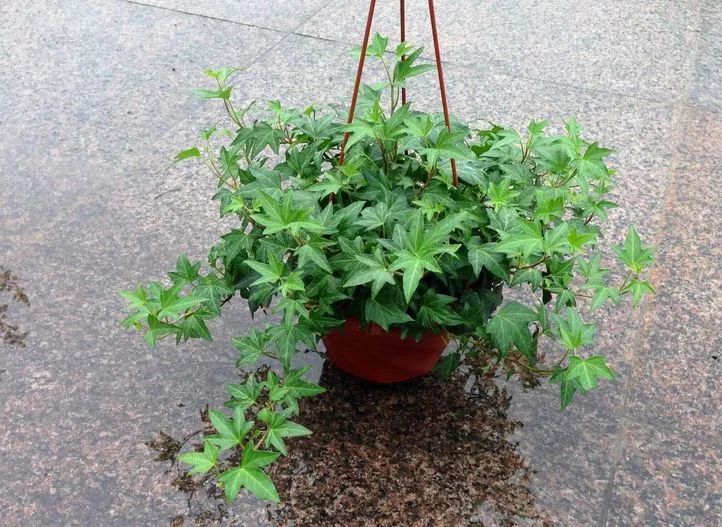
English ivy
It is the champion plant for absorbing formaldehyde, and it can also effectively resist harmful carcinogens such as nicotine in cigarettes.
Chinese evergreen
It can not only monitor air pollution, but also absorb harmful substances such as benzene compounds and hydrogen sulfide in the air.
Parlor palm
Parlor palm can effectively absorb harmful substances such as benzene compounds and trichloroethylene in the air, and most importantly, it has a bactericidal effect.
Ti plant
Growing ti plant at home can create a great resistance to indoor harmful gases. Its roots and leaves can absorb xylene, toluene and so many others. The most impressive thing is that it can break them down into non-toxic substances.
Anthurium
It can absorb substances such as benzene and trichloroethylene in the air, making it the vacuum cleaner of the plant world.
Spider plant
Everyone knows spider plant. It can effectively remove indoor formaldehyde, carbon monoxide, carbon dioxide, and substances such as nicotine in cigarettes. The most impressive thing is that its toluene adsorption capacity is 3-4 times that of ordinary plants.
Milan
Milan is also a flower and plant commonly grown at home by gardening enthusiasts. It can absorb trichloroethylene, benzene, ether and more.
Sago palm
They say sago palm blooms once every ten years, but did you know that sago palm can also absorb benzene compounds?
Chrysanthemum
This one is very popular to grow at home, and not only is its fragrance rich. It can also absorb toluene, hydrogen fluoride and more. The fragrance of chrysanthemum can calm the mind and soothe the nerves, relieving a day's fatigue.
Dracaena
It is excellent at absorbing xylene, toluene, benzene and melamine, and it can break them down into non-toxic substances, ultimately purifying the air.
Flowers and plants that remove ammonia
Peacock plant
The peacock plant grown in many homes can remove formaldehyde from indoor air and ammonia from furniture.
Areca palm
This plant is also one that many people like to grow. It is very good at absorbing formaldehyde, toluene and ammonia. Not only does it have these functions, it can also resist sulfur dioxide and more.
Money tree
No need to say much about this one. It has an auspicious meaning and can also absorb formaldehyde and ammonia from the air.
Giant peace lily
I wonder if many people grow this one? It can remove formaldehyde and ammonia from the air. Scientists have calculated that per unit area, giant peace lily can remove 1.08 mg of formaldehyde and 3.5 mg of ammonia in one day.
Arrowhead plant
My home is almost filled with these.
Flowers and plants that absorb electromagnetic radiation
Golden barrel cactus
This plant can effectively reduce, and here friends please note it is reduce, the pollution caused by electromagnetic radiation. It can also increase the concentration of negative ions in the air.
Pothos
Pothos is easy to grow and keep alive, and it is a plant that many beginner gardeners like to grow. Not only is it easy to grow and care for. Its benefits are also great. For example: anti-radiation, absorbing carbon dioxide and releasing oxygen, and it can also remove substances such as formaldehyde and ammonia from the air.
Lotus palm
Lotus palm is a succulent plant and it can also absorb electromagnetic radiation, greatly reducing the pollution caused by electromagnetic radiation.
Zebra haworthia
It absorbs electromagnetic radiation and can also absorb indoor carbon dioxide at night while continuously releasing oxygen, greatly purifying the air.
Silver queen
It removes formaldehyde and nicotine from the air, and also absorbs electromagnetic radiation.
Aloe
Aloe can not only absorb formaldehyde and ether very well, but when placed in the bathroom it can also effectively remove bathroom odors, playing a role in sterilizing and absorbing dust.
Flowers and plants that absorb dust and have a bactericidal effect
Lavender
Lavender is abundantly produced in Hokkaido. The flowers and leaves of the lavender plant both have a certain antibacterial effect. There are many lavender extracts on the market, such as essential oils, soaps and more. Using lavender plants or extracts can effectively relieve fatigue. Reduce melancholy.
Camellia
Camellia absorbs harmful gases such as sulfur dioxide and chlorine. It can also adsorb dust. However, camellia is a southern plant, so if you grow it in the north you need to pay extra attention.
Violet
Violet can not only absorb chlorine from the air, but also has a bactericidal effect. Many people like violets because they enjoy the elegant fragrance of violets, which effectively relieves people's stress and makes people feel relaxed and happy.
Caladium
The fine hairs on caladium are very small, but very dense. Growing some caladium at home can effectively adsorb floating particles in the air, playing a role in purifying the air. For example: if rhinitis sufferers are allergic to dust, they can grow more of this plant at home.
Gloxinia
It absorbs dust from the air.
Clivia
Everyone knows this one, and many people grow it at home. It absorbs large amounts of dust and harmful gases from the air.
Inch plant
Inch plant has bright and colorful foliage and looks very beautiful. Growing them at home can absorb formaldehyde from the air, thereby purifying the air.
Christmas cactus
It can absorb carbon dioxide, and when grown indoors it can release oxygen, improving the air quality at home.
Asparagus fern
Asparagus fern can be said to be the wind vane of the air at home. If the air environment at home is poor, it will greatly affect the growth of asparagus fern. Also, growing some asparagus fern at home can remove bacteria and viruses from the air, reducing the occurrence of infectious diseases among family members.
Cyclamen
Cyclamen can absorb carbon dioxide and sulfur dioxide from the air, and filter dust from the air.
Amaryllis
Amaryllis can improve indoor air quality and absorb carbon dioxide and more.
Nandina
It absorbs dust from the air and also absorbs harmful gases such as carbon dioxide from the air, playing a role in improving indoor air quality.