For kitchen potted plants, choose these 3 plants with good oil fume absorption
When it comes to potted plants, many flower lovers grow them because they believe they can purify indoor air. Some can absorb formaldehyde, while others can absorb indoor dust or oil fumes. After all, each plant has different characteristics, so their absorption capacity also differs.
Next, I will share with you several plants that stay evergreen all year round, are easy to care for, and are especially good at absorbing oil fumes. I believe many flower lovers are growing these plants too. They are spider plant, snake plant, and pothos. I will introduce the growth habits and care precautions of these three plants, hoping to help everyone grow their potted plants better.
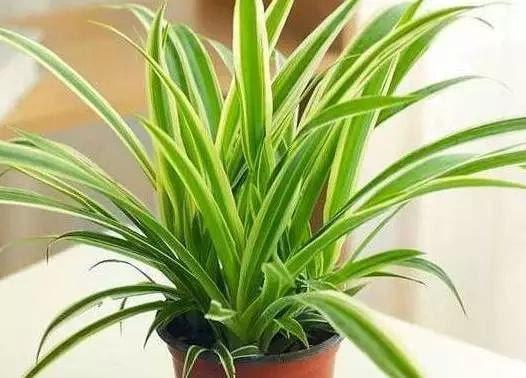
1. Spider plant
Spider plant care details:
Watering: Spider plant prefers a moist environment, especially in summer. Watering should be sufficient. Around noon and in the evening, you should also spray water on the branches and leaves, and promptly clean dust off the leaves to prevent the leaves from drying out.
Fertilizing: From late spring to early autumn, spider plant can be given organic fertilizer liquid once every 7-10 days. You can use homemade decomposed soybean cake fertilizer or fermented barnyard manure.
Light: In spring and autumn, spider plant should avoid direct strong sunlight. Now in summer, it is even more important to avoid direct light. It is best to place it a little farther from the kitchen balcony.
2. Snake plant
Snake plant is also called a natural plant purifier. Its ability to absorb oil fumes is super strong. Although its leaves are slender, if grown well, it can reach more than two meters tall. By then, with two pots kept in the kitchen, you basically would not even need to turn on the range hood.
Snake plant care:
Watering: Snake plant should be watered moderately, not too wet. It is recommended to water once a week. Otherwise, if watered too frequently, the leaves will turn white and the markings and color will also fade.
Fertilizing: During the peak growth period, snake plant can be fertilized 1-2 times a month. For fertilizing, you can evenly bury 3 holes of cooked soybeans in the soil around the pot edge, 7-10 beans per hole. Be careful not to let them touch the roots, so as not to burn the root system. This can ensure that the snake plant grows taller quickly.
Light: Snake plant is best placed in a shaded or semi-shaded place. When the light is too strong, the leaf color will become darker and whitish. The kitchen just happens to avoid strong light, making it suitable for growth.
3. Pothos
I believe most flower lovers are familiar with pothos care, so I will not elaborate too much here. After all, pothos is the easiest foliage plant to grow. This plant can survive as soon as it meets water. Of course, soil culture is a bit better. In the pothos pot, adding a little fermented rice water each time you water can help it grow more lushly. In addition, once pothos shows signs of yellow leaves, do not worry. You can spray potassium dihydrogen phosphate to stop the spread of yellow leaves.
That is all for sharing the care of these three common potted plants. Thank you for reading!
Remember to like and share~