Gardenia not blooming? Water it with this once a month, and within a week the flowers will fill the pot
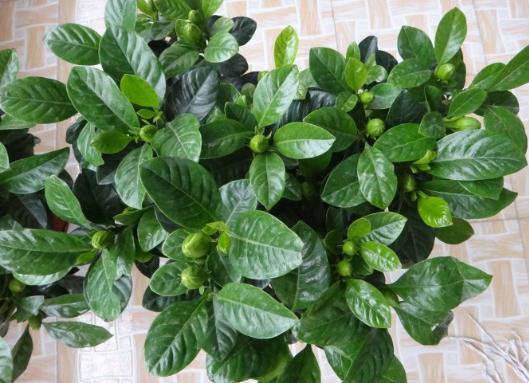
Gardenias are in full bloom right now. Although some growers' gardenias have already bloomed, as one of the more difficult flowers to grow, gardenias are also prone to some minor problems, such as yellow leaves, dropped flowers, and even failure to bloom. For beginners growing gardenias, mastering the techniques for caring for them is crucial.
The blooming season of the gardenia runs from May to August every year, and with good care, the blooming period can be extended by another half a month. Although this flower is not easy to grow, it is not without techniques. Next, I will share some tips for growing gardenias, remember to save them!
Before talking about gardenia care techniques, let's first discuss the growing habits of the gardenia:
The gardenia, with its emerald green leaves and pure white flowers, is a common flowering houseplant. Its optimal growing temperature is 16°C-18°C, so remember to cool it down in summer. In addition, the gardenia likes light but also tolerates shade, tolerates heat and is slightly cold-tolerant, and grows well in fertile, well-drained, acidic light clay loam (soil pH is best kept between 4.0-6.5).
Once we understand the growing habits of the gardenia, we can clearly analyze where the key points of growing gardenias lie. The gardenia is a typical southern flower and likes to grow in slightly acidic soil. Therefore, in addition to daily care, you should also pay attention to the pH of the potting soil. After all, I believe all flower growers understand the principle that "to grow flowers, first grow the roots," and the key to the roots lies in the quality of the soil. When the potting soil is not suitable for the gardenia to grow in, root rot, yellow leaves, and failure to bloom will naturally occur.
A gardenia after blooming is truly beautiful.
If you want the gardenia to bloom as early as possible and extend its blooming period, you must adjust its acidity and alkalinity so that it has slightly acidic characteristics. And the simplest and most practical way to adjust soil acidity and alkalinity is something many people have probably already thought of, which is to use "rice water" to adjust it.
Rice water, after fermentation, becomes slightly acidic, which is just right for adjusting the pH of the gardenia's potting soil. In addition, rice water is also rich in nutrients and various trace elements. For many years, using rice water to grow flowers has had a basis. Turning wastewater from daily life into a treasure for growing flowers is the result of flower growers constantly experimenting.
To water flowers with rice water, remember to ferment it in advance. The specific method is also very simple: seal the rice water in a mineral water bottle, place it in a cool place for half a month, then take it out and use it after dilution. The dilution ratio is 1 part rice water to 10 parts water. This way it will not burn the gardenia's roots. After all, gardenias are so fussy that even keeping them alive is not easy.
Besides watering gardenias, rice water can also be used for most flowering potted plants. That's all for sharing knowledge about growing gardenias, thank you for reading!
Remember to like and share~