We have all eaten these seven wild vegetables, how many do you know?
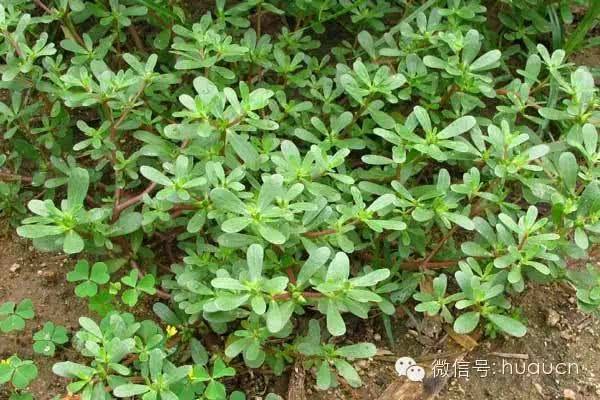
Nowadays many people just like to taste the different flavors of wild vegetables, or perhaps to recall the bitter and remember the sweet, stirring up memories of the past - those stories of digging wild vegetables and the wild vegetables once dug.
1. Purslane
Purslane, a plant of the genus Portulaca in the family Portulacaceae; the tender stems and leaves are blanched in boiling water, squeezed of their juice, mixed with seasonings and eaten as a salad or stir-fried, smooth, soft and tasty, and can also be made into dried vegetables.
2. Dandelion
Dandelion, a plant of the genus Taraxacum in the family Asteraceae; the tender seedlings are blanched in boiling water, rinsed in cold water, then stir-fried, made into soup or served as a cold salad, and its flowers can also be used to make soup.
3. Goji
Goji, a plant of the genus Lycium in the family Solanaceae; the tender branches and leaves can be stir-fried with sugar and vinegar or chopped and mixed with flour and steamed, and the tender leaves cooked with tofu taste fragrant and delicious. Its fruit, the goji berry, is a famous tonic and strengthening medicine.
4. He Shou Wu
He Shou Wu, a plant of the genus Fallopia in the family Polygonaceae; the tender leaves are picked in spring and autumn, blanched in boiling water and stir-fried.
5. Water Dropwort
Water dropwort, a plant of the genus Oenanthe in the family Apiaceae; the tender stems and leaves can be picked from spring to autumn, stir-fried or blanched in boiling water and served as a cold salad, with a unique flavor.
6. Houttuynia
Houttuynia, a plant of the genus Houttuynia in the family Saururaceae; the tender stems and leaves are blanched in boiling water, rinsed in clean water, then stir-fried or made into soup or served as a cold salad; in winter and spring the tender rhizomes can also be dug up, washed and pickled.
7. Asiatic Pennywort
Asiatic pennywort, a plant of the genus Centella in the family Apiaceae; edible in all four seasons, the tender stems and leaves are picked, boiled in water, rinsed in clean water, squeezed of their juice, and can then be stir-fried, with a slightly bitter taste.
Also, the tender stems and leaves of wild garlic, perilla and mint can be stir-fried or served as a cold salad as a main dish, and can also be used as a seasoning in soups and dishes, refreshing and cooling, removing fishiness, with a very special flavor!
In fact, wild vegetables are available in all four seasons. In spring there are Chinese violet cress, oriental false hawksbeard, smooth vetch and so on; in summer there are Ceylon spinach, revolution grass, Asiatic dayflower and so on; in winter there are stringy stonecrop, shepherd's purse and so on.
The closeness between Chinese people and wild vegetables is probably unmatched by any other ethnic group in the world. The first poem of The Book of Songs says: "Here long, there short, is the duckweed, to the left, to the right, borne about." Later, the ancients also wrote many books such as Materia Medica for Famine Relief to guide the common people in eating wild plants.
·END·
An interactive platform for flower growers, flower planters and green plant enthusiasts to communicate, show off and boast. An online home for sharing flower cultivation methods and household flower-growing tips. A fresh flower subscription platform.
Fresh flowers: Hyacinth|Stock|Plum blossom|Carnation|Camellia|Kalanchoe|Jasmine|Gardenia|Peach blossom|Balloon flower|Osmanthus|Calla lily|Lily|Forget-me-not|Clivia|Apricot blossom|Honeysuckle|Mock orange|Peony|Sunflower|Chrysanthemum|Spiraea|Crown of thorns|Tulip|Narcissus
Green plants: Poinsettia|Money tree|Pothos|Spider plant|Alocasia|Lucky bamboo|Asparagus fern|Aloe|English ivy|Anthurium|Monstera|Bougainvillea|Silk tree|Peace lily|Schefflera|Boxwood|Sago palm|Rubber plant|Maidenhair fern|Snake plant|
huau.cn
……
Search the public account "Huayou" or "huaucn" for the latest information
Business cooperation, promotion. Please contact WeChat personal ID: wwwhuaucn