Top 10 Indoor Air-Purifying Plants: Pothos at No. 8, Monstera and Alocasia Not on the List
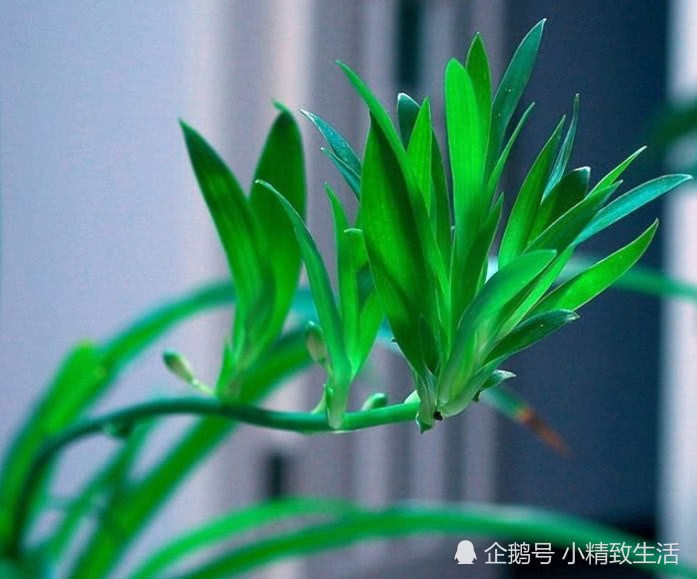
In recent years, indoor air pollution has become a major problem we face, and most plants have the ability to purify the air, so keeping a few potted plants indoors has become the choice of most friends. However, there are all kinds of green plants on the market, so how should we choose? Below, Xiaojingzhi Life takes a look with you at the 10 strongest indoor air-purifying flowers and plants:
1. Spider Plant
When it comes to purifying indoor air, the spider plant (Chlorophytum comosum) indisputably takes first place. With just a little faint light, one pot of spider plant can absorb 80% of the formaldehyde, carbon monoxide, peroxocarbonate and other toxic gases in a space of 8 sq m to 10 sq m, making it a veritable "green air purifier." So some environmental experts suggest that for a newly renovated room, you only need to keep it ventilated and then place a few pots of spider plants, and after about 3 months it can reach move-in standards. PS: Green spider plants purify the air much better than other colors!
2. Ivy
The main function of ivy (Hedera helix) is removing benzene. One pot of ivy can absorb 90% of the benzene in a room of 8 sq m to 10 sq m. Most people may hear about formaldehyde the most among harmful substances, but the harm of benzene is no less than formaldehyde. Benzene can irritate the respiratory mucosa and cause tracheal damage, and it is also a strong carcinogen. The main component of thinner in paint is benzene.
3. Aloe
Besides its well-known beauty benefits, aloe (Aloe vera) is also a powerful indoor air purifier. As long as there is enough light, one pot of aloe can absorb 90% of the formaldehyde in 1 m3 of air within 4 hours. In addition, aloe also has a very strong adsorption capacity for harmful gases such as carbon dioxide, sulfur dioxide and carbon monoxide. More importantly, aloe is so easy to grow that it is fine even without watering for half a year.
4. Snake Plant
Golden-edged snake plant (Sansevieria trifasciata) closes its stomata during the day and opens them at night, absorbing carbon dioxide while releasing oxygen and increasing the ion concentration in the air. Moreover, 2-3 pots of snake plant can absorb 80% of the formaldehyde in a 15 sq m space, as well as harmful substances such as trichloroethylene, hydrogen sulfide, benzene, phenol, hydrogen fluoride, ether and heavy metal particles, and it can even absorb radioactive nuclides such as uranium! Snake plant is an indispensable green plant for homes and offices.
5. Agave
One agave (Agave americana) can absorb 70% of the benzene, 50% of the formaldehyde and 24% of the trichloroethylene in a 10 sq m space, so agave is an all-around little expert at purifying air. But note that agave's own sap is toxic. If it accidentally gets on the skin, it can cause a burning sensation, and if it accidentally gets into a wound or the eyes, it may cause redness, swelling and ulceration. So be careful to avoid getting agave sap into the mouth, wounds or mucous membranes.
6. Chinese Rose
The Chinese rose (Rosa chinensis) ranks 5th among China's top 10 famous flowers, is the city flower of 52 cities, and has the reputation of "Queen of Flowers." The Chinese rose is not only highly ornamental, but can also very efficiently decompose and absorb harmful gases such as phenol, hydrogen chloride, hydrogen sulfide and ether. It also has a very high resistance to carbon dioxide and nitrogen dioxide, and is recognized as a flower suitable for keeping at home and purifying the air.
7. Chrysanthemum
Chrysanthemum (Chrysanthemum morifolium), one of the Four Gentlemen of Flowers, is also a little expert at purifying indoor air. Chrysanthemum can absorb toxic substances such as xylene released by adhesives, coatings, cleaning agents and plastics, and also has a certain resistance to toxic gases such as sulfur dioxide and chlorine.
8. Pothos
Everyone is familiar with pothos (Epipremnum aureum). Pothos can absorb harmful gases such as benzene, formaldehyde and trichloroethylene from the air, and can also absorb cooking fumes and the like from the air.
9. Begonia
Begonia (Begonia spp.) can absorb harmful substances such as carbon dioxide and sulfur dioxide from the air at night, and is likewise a little expert at purifying air. In addition, the whole begonia plant contains oxalic acid, and can also be used to treat ringworm and kill insects.
10. Areca Palm
Areca palm (Dypsis lutescens) is also a common indoor ornamental plant. It can effectively absorb volatile harmful substances in the air such as benzene, trichloroethylene and formaldehyde, and it is generally indispensable in homes and offices.
The above are the 10 plants that can purify indoor air, compiled for you by Xiaojingzhi Life. We hope they are helpful to you.