Grow Phalaenopsis orchids with this kind of "soup" and they will flourish with lush foliage, send up extra-long flower spikes, and bloom with large, vivid flowers
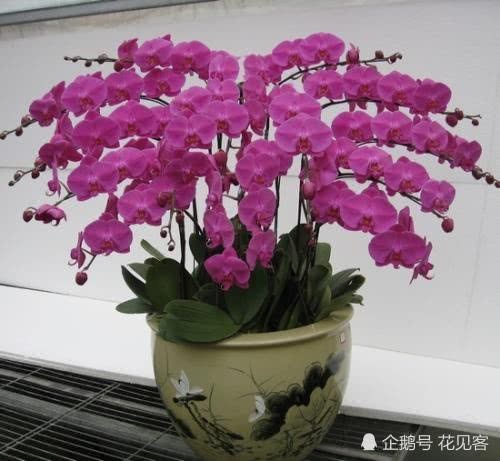
Phalaenopsis is a flower beloved by many gardening enthusiasts. The plant sends up long flower spikes, and its blooms dance like butterflies in flight, incredibly beautiful, and it has long been known by the elegant title "Queen of the Orchids."
Today Hua'er will tell you how to use this kind of "soup" to grow Phalaenopsis: lush foliage, extra-long flower spikes, and blooms that are large and vivid!
The specific method: take the meat broth left over from each meal, or collect some leftover bones, add water and boil them in a pressure cooker for 1 hour; the broth inside works too. After it cools, pour it into a plastic bottle. You can add a little fruit peel, such as watermelon rind or orange peel, to speed up fermentation. Then seal it and leave it to bake in the sun.
During sun exposure, whenever you see the plastic bottle bulge slightly, let it vent. In summer, about half a month of sun exposure is enough for fermentation to finish.
After fermentation is complete, the layers are clearly separated. Scoop out the upper layer of impurities, then dilute the clear liquid with water at a ratio of 1:10. Slowly pour it in around the edge of the pot, 1 small bowl every 5 days. This will make your Phalaenopsis grow like crazy, with long, thick flower spikes and extra-large, vivid blooms.
One more point: Phalaenopsis has different water requirements at each stage. During the growth stage it needs plenty of water, with humidity of 90% or above, which better supports its growth. During the flowering stage, lower the humidity to 70%-80%, which is more favorable for bud formation and blooming. After flowering, keep it even more appropriately dry, with humidity controlled at 50% as the ideal, which can extend the flowering period.
That is all for Phalaenopsis care. If you have anything to add, feel free to share it with everyone in the comments section below. To learn more about growing flowers, you can follow Hua Jian Ke!